Hybrid cars have been part of the motoring landscape for many years, and they're one of the most popular powertrain options when buying a new or used car. However, with several different types of hybrid cars available, it can be a little confusing to understand what sets each one apart.
So, what is a hybrid car? It’s any car that pairs an electric motor with a petrol or diesel engine. That could be a plug-in hybrid (PHEV), full hybrid (HEV), or mild hybrid (MHEV). These all combine electric motors with internal combustion engines (ICE), with slight differences that give rise to the various hybrid names. Plug-in hybrids need a charging point for the car's battery, whereas full-hybrids and mild-hybrids have batteries that charge as you drive.
Understanding the differences between these systems helps you choose the right hybrid for your driving needs, so let’s explore each type in more detail.
- What is a mild hybrid car?
- What is a full hybrid car?
- What is a plug-in hybrid car?
- Which type of hybrid car is best for me?
- Are hybrid cars worth it?
- Are hybrid cars reliable?
- Frequently asked questions
What is a mild hybrid car (MHEV)?
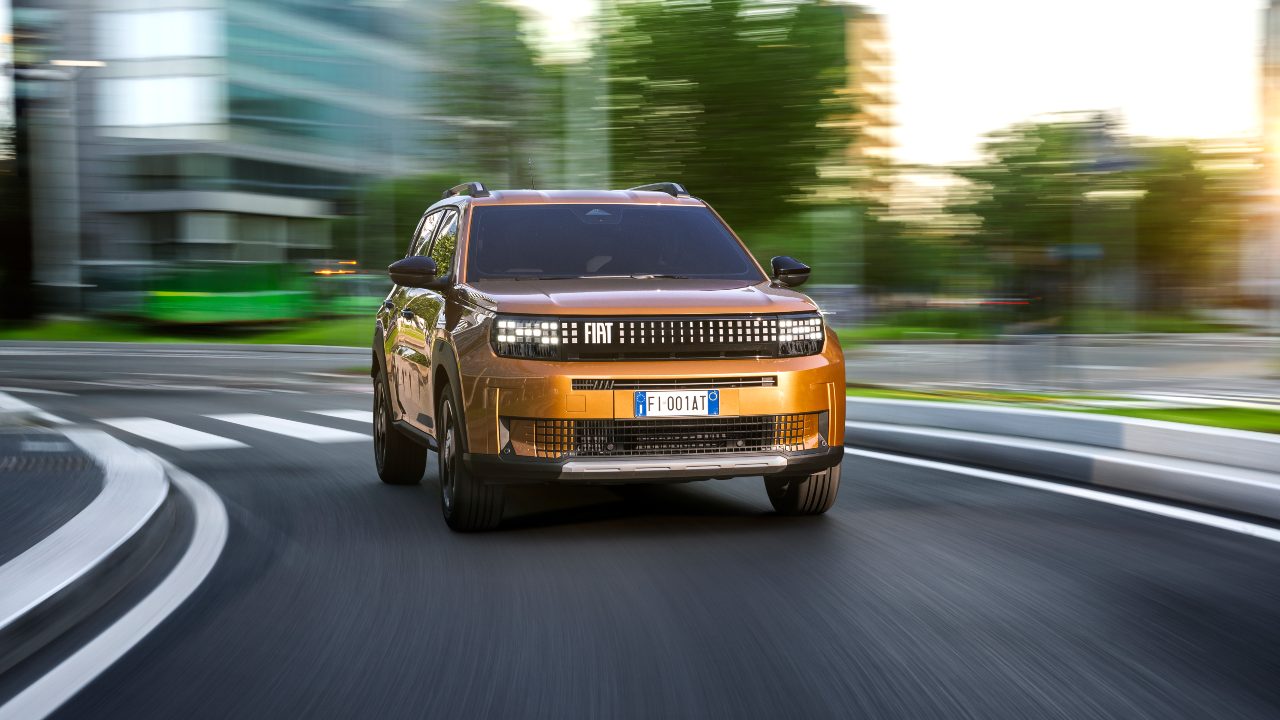
Mild hybrids or MHEVs have three key elements. A small electric motor, a combustion engine (petrol or diesel), and a battery. They can't be manually charged like plug-in hybrids, and they tend to use a 48-volt electrical system to power parts of the car that traditionally would have been powered by the combustion engine. This makes the engine run more efficiently, slightly reducing fuel consumption and CO2 emissions.
Unlike a full hybrid (HEV), the electric motor in an MHEV will never power the car on its own. Instead, it kicks in to be used alongside the engine to assist in various tasks. For example, the electric motor might kick in during acceleration, or eliminate turbo lag, or work the stop/start system when stopped at traffic lights. They also harvest electrical energy for the battery through regenerative braking, capturing energy that is otherwise lost and reusing it to enhance efficiency.
Pros and cons of mild hybrids
- More fuel-efficient
- Reduces CO2 emissions
- Takes stress off the engine
- Cannot typically drive using all-electric power alone
- Not as economical as full hybrids
- Insurance is higher than standard ICE cars
The best mild hybrid cars currently available
From smaller hatchbacks, to larger practical SUVs, there are a number of standout models available that come equipped with mild hybrid technology, including:
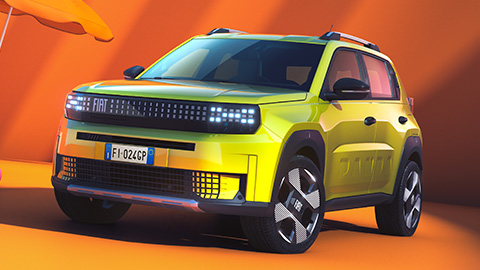
Fiat Grande Panda
A small, fun car that's also practical, the Grande Panda offers a smoot driving experience and lots of standard tech.

Citroën C3 Aircross
Perfect for those with a modest budget and a large family, the C3 Aircross has enough room for all to relax.
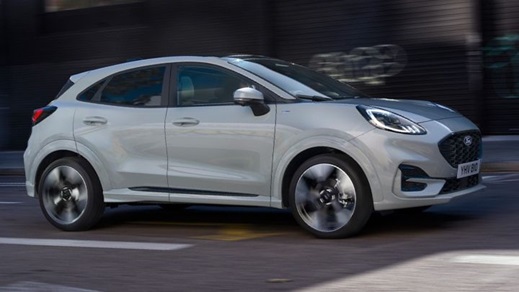
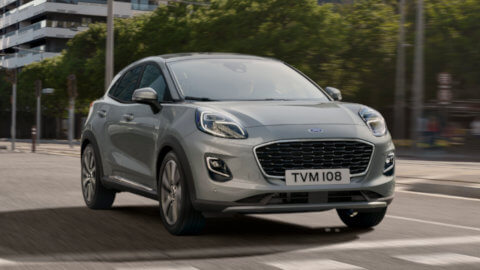
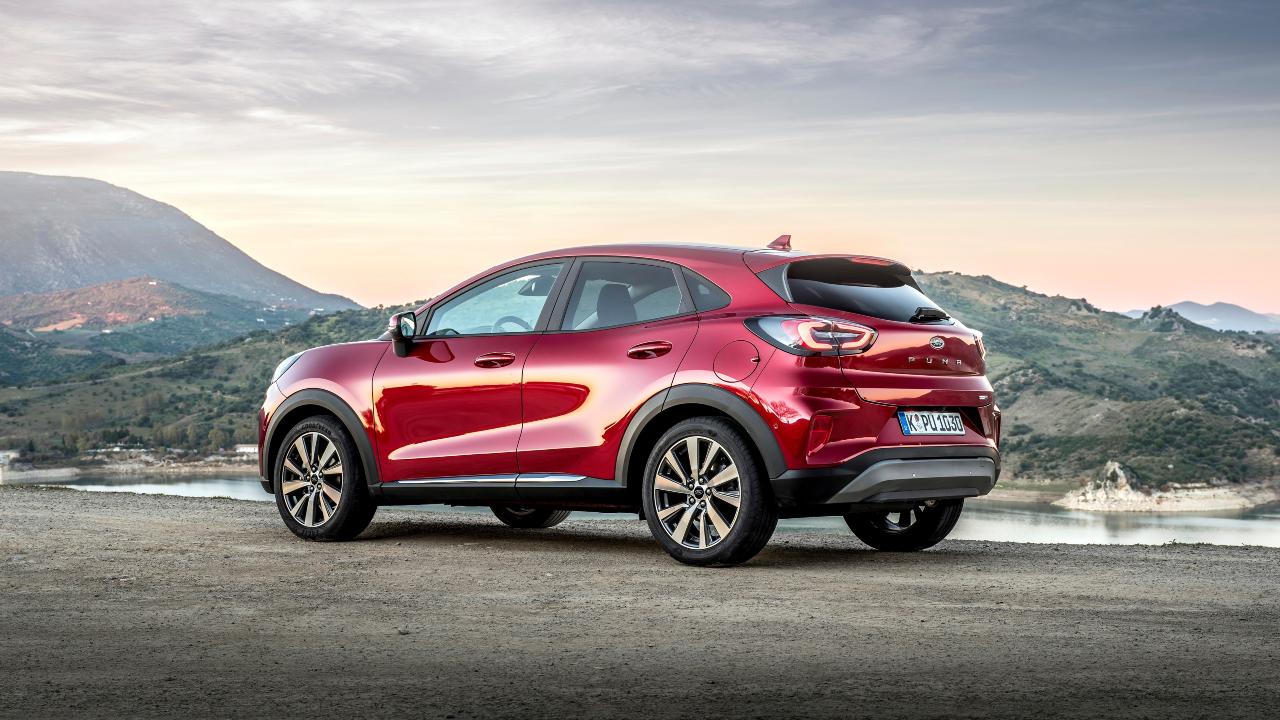
Ford Puma
One of the most popular cars sold in Britain, the Puma delivers mild hybrid technology for a fair price tag.
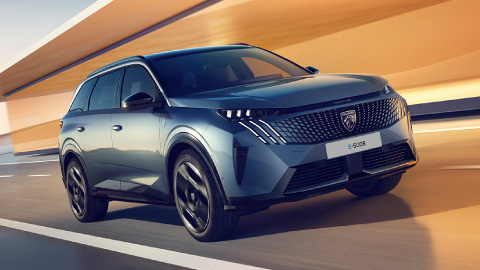
Peugeot 5008
A growing family favourite, the Peugeot 5008 is a comfortable, smart-looking SUV that offers brilliant all-round capabilities.
What is a full hybrid car (HEV)?
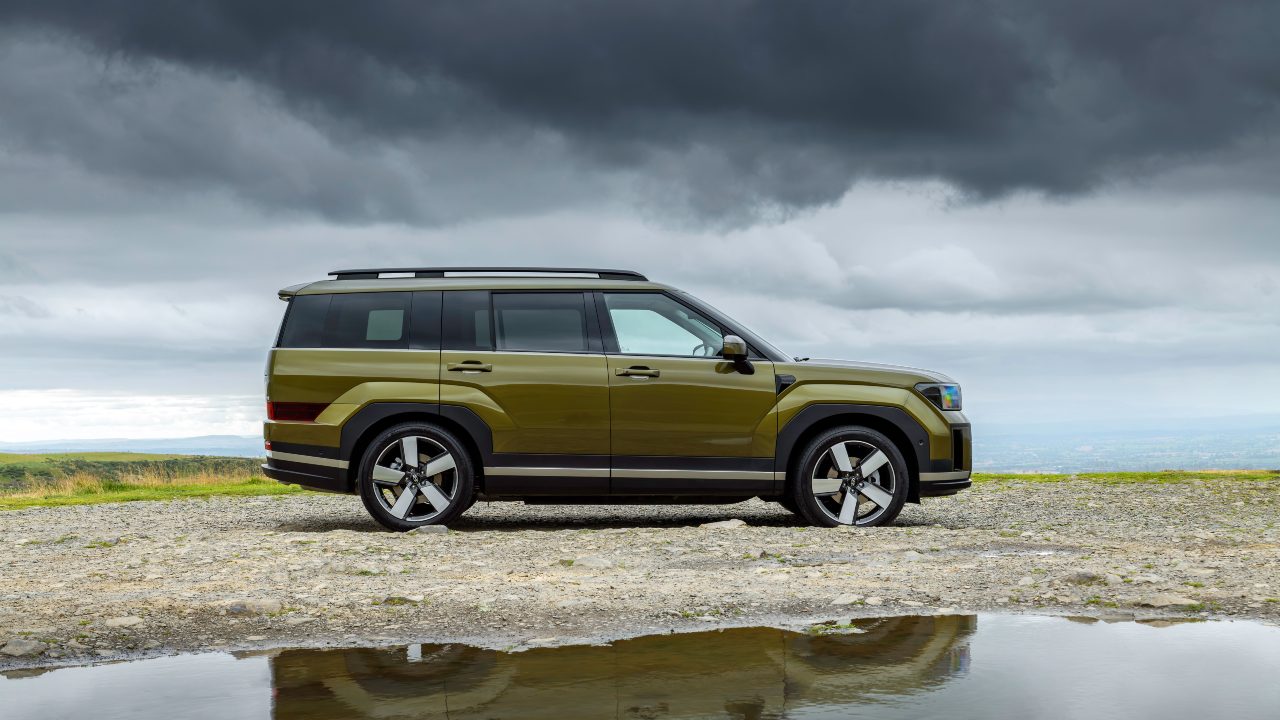
More common than MHEVs, a full hybrid (HEV) combines a petrol or diesel combustion engine with an electric motor. Unlike the MHEV, which generally uses the motor only for additional tasks, a full hybrid car can use either the engine or the electric motor on its own, as well as in combination. The option used is generally automatically determined by driving conditions.
HEVs automatically switch between combustion, electric only, or both, while the small battery supports better fuel economy and energy efficiency. They also help reduce emissions when driving at lower speeds, as the electric motor is used alone for short distances.
Full hybrids cannot be plugged in to recharge; instead, the engine charges the battery while driving, along with energy recovered through regenerative braking, a similar method to that seen in mild hybrids.
Pros and cons of full hybrids
- Improved fuel efficiency
- Reduced emissions
- Can often drive on all-electric power alone, although for short distances
- No charging point required
- Typically more expensive than ICE cars
- Battery can deteriorate over time
- Insurance and repairs are slightly higher than ICE alternatives
The best full hybrid cars currently available
Is pretty much the standard nowadays across all segments, giving you a diverse range of options to suit your lifestyle. Some of the best options include:

Renault Clio
An iconic hatchback that delivers tonnes of tech, impressive fuel economy and a heap of French flair.

Ford Kuga
Yet another popular Ford, this time coming with sleek looks, plenty of space, and an attractive price tag.
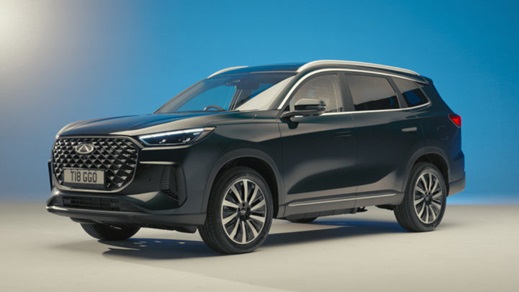
Chery Tiggo 8
The new kid on the block, taking it to rivals with 7-seat capabilities and a bunch of boot space, while being noticeably good value.

Hyundai SANTA FE
For those wanting a more luxurious option, the SANTA FE is loaded with premium tech while still tackling everyday chores with ease.
What is a plug-in hybrid car (PHEV)?
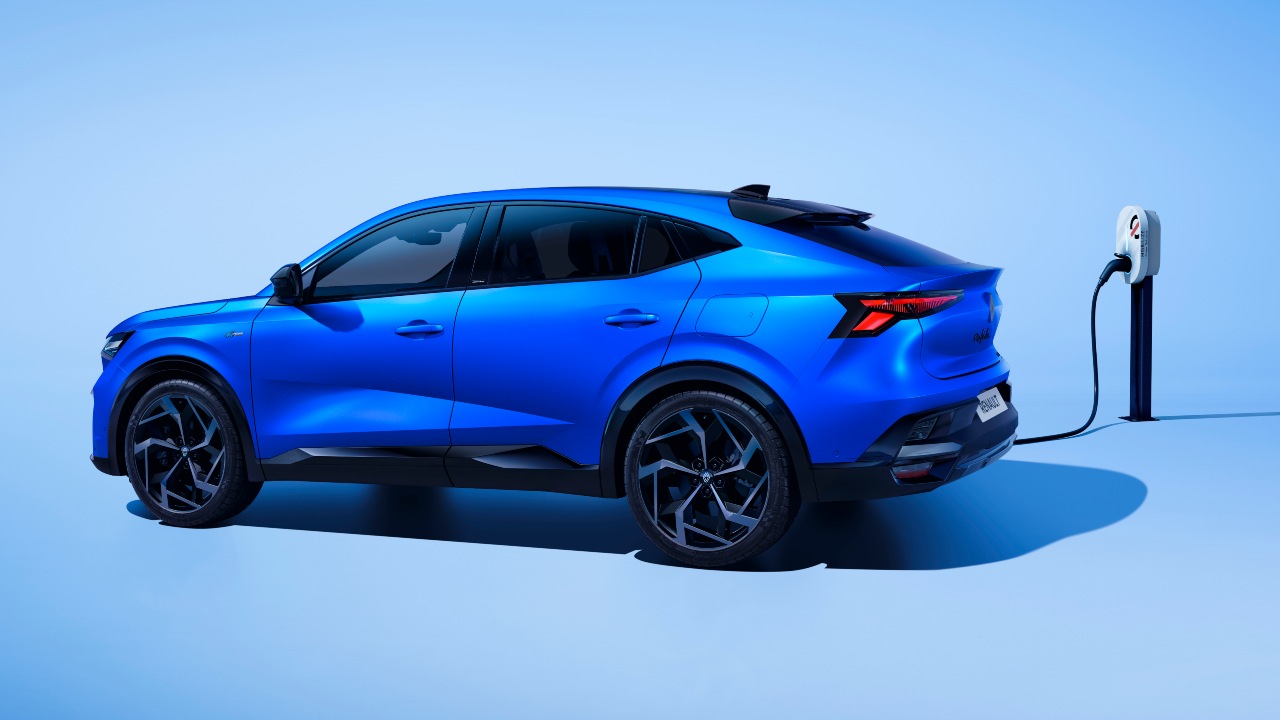
A Plug-in Hybrid (PHEV) is a hybrid car that uses a combination of a petrol or diesel engine with a large electric motor. The battery is recharged by plugging into a charging point, rather than full or mild hybrids, which charge their battery whilst on the move through regenerative methods.
PHEVs come with larger batteries than other hybrid types, which gives a longer all-electric range. Where a HEV might get 1 or 2 miles on full-electric, a PHEV will give you 20 to 50 miles plus, on pure electric power.
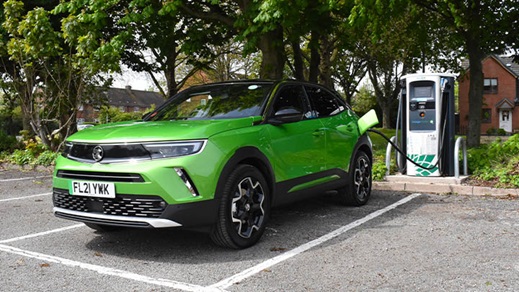
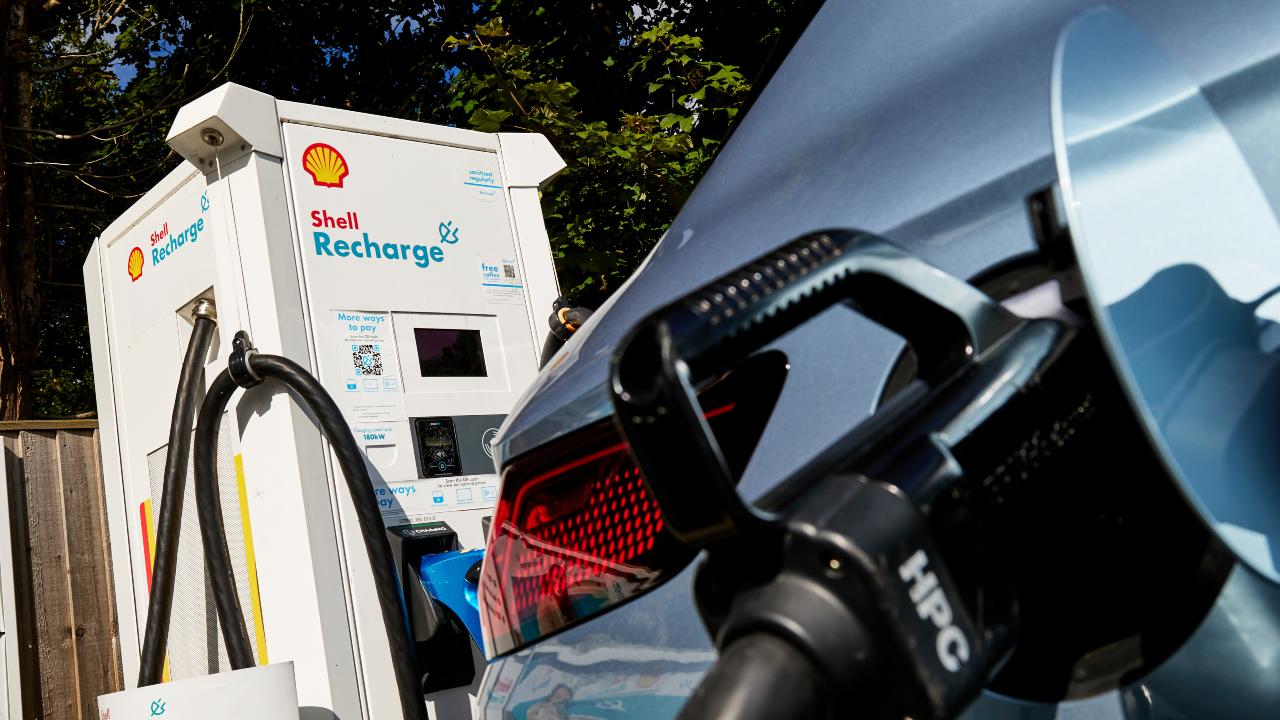
Like an all-electric car, a PHEV recharges its battery at any charging point: a household three-pin plug, a wall charger, or a public charging point. Yes, this may be a little more inconvenient than traditional ICE or hybrid vehicles, but you can reap the rewards with lower running costs and much improved efficiency.
Pros and cons of plug-in hybrids
- Full-electric short commutes
- No range anxiety
- Lower emissions
- Easy transition to EV
- Heavier due to bigger batteries
- Needs a charging point
- Typically cost more than traditionally-powered or other hybrid alternatives
The best plug-in hybrid cars currently available
Offering a perfect middle ground between a traditional and contemporary, all-electric driving experience, PHEVs are growing in popularity and automotive manufacturers know it. Some of the best options include:
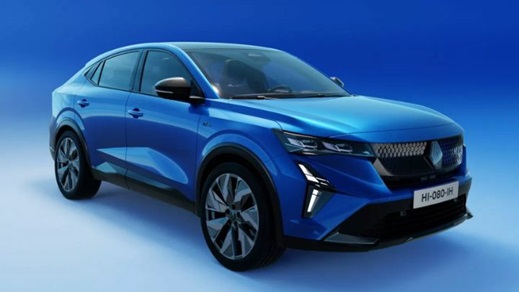
Renault Rafale
65 miles of all-electric range, sharp looks, and a bunch of tech, it's no surprise the Rafale is a standout option.
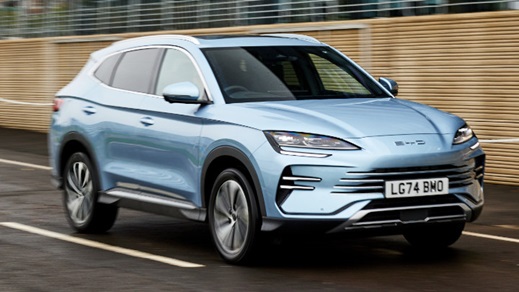
BYD SEAL U DM-i
Combining ocean aesthetics with futuristic touches, the SEAL U DM-i is a premium option at a budget-friendly price tag.
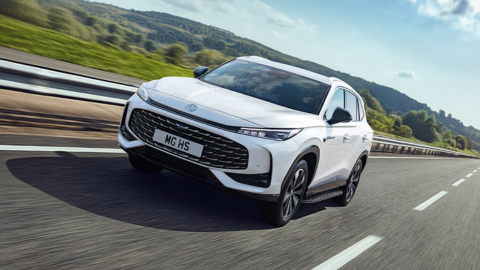
MG HS
One of many cars driving MG's resurgence, the HS is one of the most affordable SUVs while also offering a range of premium features.

OMODA 9
Newcomer to the UK market, the OMODA 9 offers a plethora of tech, impressive performance and a huge all-electric driving range of 93 miles.
Which type of hybrid car is best for me?
Whether it’s a mild hybrid, full hybrid, or plug-in hybrid, you're making a choice of a better range, more efficient, lower-emission car. However, they all have subtle differences, which might make you lean toward one rather than the other.
Mild Hybrid
If you're still in love with petrol and diesel cars, but are aware you need a more eco-friendly setup, then a mild hybrid might be for you. The small electric motor is more of a helping hand than a major driving force behind your vehicle. It's subtle, so you'll barely notice it's even there, but you will notice an improvement to your fuel efficiency.
- Buy one if you just want a car that's more efficient than a standard engine-only car.
- Don't buy one if you want a significantly lower-carbon footprint.
Full Hybrid
A great choice for those who want to enter the hybrid car market but don't have an at-home charging solution. You get improved fuel efficiency compared to engine-only cars and lower emissions, making it a great choice for those who want to reduce their carbon footprint.
The electric-only range is usually only a couple of miles, as the battery is usually quite small. So it doesn't quite have the capabilities of plug-in hybrids when it comes to small commutes.
- Buy one if you want a more economical car, but don't want to deal with some of the inconveniences associated with plug-in tech.
- Don't buy one if you do have a home charging solution, as the benefits of a PHEV outweigh those of a HEV.
Plug-in Hybrid
Although more expensive than mild and full hybrid options, PHEVs are the most efficient and deliver the lowest emissions. The batteries and motors provide a decent all-electric range, ideal for driving around town or even on longer journeys. Even when the battery is flat, the engine will seamlessly kick in, allowing you to carry on your journey using traditional fuel.
Many have two or even three motors, and combined with a petrol or diesel engine, can generate extraordinary levels of power and acceleration. On the downside, they tend to be heavy due to the batteries and can be in the higher, more expensive bracket.
- Buy one if you want low emissions, don't want to deal with all-electric range anxiety, and have home charging solutions.
- Don't buy one if you don't have the capability to charge at home and don't want to have to think about plugging your vehicle in elsewhere.
Are hybrid cars worth it?
Hybrid cars are certainly worth it. They are a great option if an all-electric model isn't on your scope yet. Whether you're going for a mild, full or plug-in option, you're taking a path to lower emissions, a greener footprint, and better fuel economy. Sometimes you'll even benefit from more power and punch than a standard petrol or diesel alternative, too.
The PHEVs are generally quite big, being larger cars and SUVs, so if you're after a smaller runaround, a MHEV or HEV might be a better option. And for PHEVs, don't forget to ensure you have adequate charging solutions at home or nearby.
Owning a hybrid is ultimately a personal choice that depends on your lifestyle and individual driving needs, but times are changing, and many are adopting this technology due to their benefits and general availability.
Are hybrid cars reliable?
Yes, generally, hybrids are just as, if not more reliable than traditionally-powered alternatives, as long as regular servicing and proper maintenance is followed. Modern batteries are robust and keep their charge longer. They go through rigorous testing, and many automotive manufacturers offer long warranties on the batteries they install in their cars.
Hybrids can also look after your brakes, as hybrid electric motors are used for braking, putting less stress on your brakes and making them last longer. This process is known as regenerative braking, in which the hybrid uses the electric motor to convert momentum into electrical energy. Stress is also removed from the engine when electric motors take over electrical duties in the car. This is especially prevalent in MHEVs, where the electrical motor assists in various tasks, such as acceleration and start/stop duties at traffic lights. These features help to prolong the general life span of your vehicle, keeping them in optimal condition, for longer.
Frequently asked questions
Originally, grants were available for various hybrid types, but as infrastructure for all-electric cars across the UK is growing, grants are now being shifted to zero emissions cars exclusively. There are still some government grants for low-emission plug-in hybrids, that you can still take advantage of, but eligibility for these grants is stricter.
Yes, all hybrid cars need charging, but the way in which they do so differs between the three hybrid types. Mild and full hybrids are recharged by the engine and brakes and do not require you to do anything, whereas plug-in hybrids are charged at home or at a public charging point.
Batteries, although issues aren't overly common, so there's not much to worry about. Much like your mobile phone or other electronic devices, over time and with general wear and tear, batteries degrade, reducing the hybrid's performance. Make sure any car you're considering has been well maintained and serviced at appropriate intervals, and once it's in your possession, keep on top of it yourself to help prevent issues from occurring.
Generally yes. Although a few mild hybrid cars have manual transmissions, most hybrid cars have automatic transmissions.
Experience a hybrid with Evans Halshaw
With a wide array of eco-friendly options to choose from, the new and used car markets really are your oyster when searching for a hybrid vehicle. Do you opt for the convenience and familiarity of a mild or full hybrid, or take advantage of the enhanced efficiency and all-electric range of plug-in hybrids? Whichever way you choose to go, you can rest assured knowing you're set to benefit from lower running costs and more advanced tech.
At Evans Halshaw, we have a wide range of new and used hybrid cars for you to choose from and are sure to have something that suits your lifestyle. If you're interested in experiencing a hybrid model yourself with a test drive then please contact your nearest Evans Halshaw retailer and an associate will be more than happy to find a date and time that suits.