What is vehicle leasing?

A vehicle lease deal is an attractive alternative to purchasing a car outright or through finance. Essentially, leasing a car is much like renting a house - you'll pay an upfront deposit, followed by fixed monthly payments for the duration of your term, which is often 24, 36, or 48 months. Once the agreement ends, you simply hand the car back and walk away to consider your options or agree to a new lease deal, no questions asked.
The primary benefit of leasing a vehicle is related to costs. Instead of financing or paying for the total price of the vehicle, leasing deals are designed to cover the vehicle's depreciation for the duration of your agreement, resulting in lower monthly payments. You're also often able to integrate costs such as maintenance and insurance into your agreement, to build one straightforward package to motoring.
Is a car lease deal right for me?

If you prioritise convenience and predictable costs, and like the idea of driving a newer vehicle every few years, car leasing could be a strong option to consider. With a fixed monthly payment and a lower upfront cost than buying outright, leasing simplifies budgeting and removes much of the uncertainty that can come with vehicle ownership. You’ll also typically be covered by the manufacturer’s warranty for the duration of your agreement, helping to reduce concerns around unexpected repair costs.
Once your agreement is coming to an end, the changeover process is simple, too. As you don't own the car, there'll be no stressful selling experience, and no worry about depreciation. Simply hand your car back, and decide whether to start a new agreement on a new vehicle, or take some time to consider your options.
However, leasing isn’t right for everyone. Agreements usually include an annual mileage limit, and exceeding this can lead to additional charges. You’ll also need to return the vehicle in-line with fair wear and tear guidelines. Most importantly, you won’t own the car at any point, so if long-term ownership or complete flexibility is important to you, leasing may not be the most suitable route.
Our Process
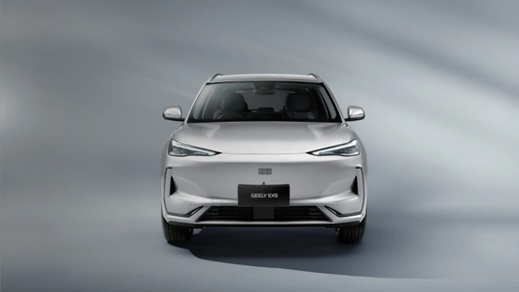
1. Browse Our Extensive Range
Explore a wide selection of leasing deals from some of the world’s best-known manufacturers, with options to suit a variety of needs, preferences, and budgets.

2. Speak to an Expert
Get in touch with your nearest retailer to learn more about a vehicle or arrange an appointment, where our team will help guide you through your options and answer any questions you may have.

3. Test Drive
Take your chosen vehicle for a test drive and ensure it’s the right fit for your lifestyle. At the same time, you can discuss contract length, mileage, and any additional options to tailor your agreement to your needs.

4. Complete your application and get ready for delivery
Once you’re happy, simply complete your application and sign your agreement. From there, all that’s left to do is look forward to delivery and getting behind the wheel.
Different Types of Leasing
Choose from leading manufacturers






















Frequently Asked Questions
Leasing offers convenience and predictability, but there are some limitations to consider, including:
- You won’t own the car at the end of the agreement
- Annual mileage limits apply, with charges for exceeding them
- The vehicle must be returned in good condition
- Ending the agreement early can be costly
For drivers who value flexibility or long-term ownership, other finance options may be more suitable.
The 1.5 rule is a simple way to estimate whether a lease deal offers good value. It suggests that your monthly payment should be no more than 1.5 percent of the car’s total value. For example, if a car is worth £20,000, a competitive lease deal might be around £300 per month or less.
While it can be a useful benchmark when comparing deals, it’s only a guide. Actual lease prices depend on several factors, including the vehicle’s expected depreciation, contract length, mileage allowance, and any upfront payment.
Using the 1.5 rule can help you quickly assess whether a deal is broadly competitive, but it’s always worth looking at the full package to ensure it suits your needs.
Whether you should lease or buy a car depends on what matters most to you. Leasing can be a good choice if you:
- Prefer lower upfront costs and fixed monthly payments
- Like driving a newer car every few years
- Want to avoid the hassle of selling or part-exchanging a vehicle
Buying may be more suitable if you:
- Want to own the car long term
- Prefer no mileage restrictions
- Are focused on long-term value and reducing overall costs
In simple terms, leasing is about convenience, flexibility and predictable costs, while buying is about ownership, control and long-term savings. The right option will depend on your budget, driving habits, and how long you plan to keep your next vehicle.
Leasing can offer good value depending on what you’re looking for, with major benefits including:
- Predictable monthly costs
- Access to newer vehicles
- No exposure to depreciation
However, because you don’t own the car, it may be less cost-effective over the long term compared to buying and keeping a vehicle for several years. For many drivers, the value of leasing comes from simplicity, convenience, and access, rather than long-term savings.
At the end of a car lease, you simply return the vehicle to the leasing company.
As long as the car meets agreed fair wear and tear standards and you’ve stayed within your mileage allowance, there’s usually nothing more to pay. The vehicle will be inspected, and any excess damage or mileage may incur additional charges.
Once your lease ends, you’re free to:
- Start a new lease with a newer vehicle
- Explore alternative finance options
- Or take some time before choosing your next car
This really depends on your personal circumstances, but vehicle lease deals typically run between 24 and 48 months. A shorter lease is better suited to those who like to upgrade their vehicle regularly, while longer leases can see you benefit from lower monthly payments.
Most car lease agreements require an initial payment, often equivalent to one to nine monthly payments. A higher upfront payment usually results in lower monthly costs, while a lower deposit means slightly higher monthly payments. The amount you choose will depend on your budget and how you prefer to spread the cost.
Insurance for a leased car isn’t necessarily more expensive, but it can depend on the vehicle you choose. Lease agreements typically require fully comprehensive insurance, which may cost more than basic cover. Premium or high-value vehicles may also have higher insurance premiums. However, for many drivers, insurance costs are similar to financing or owning a car of the same type.