Ford Electric Grant
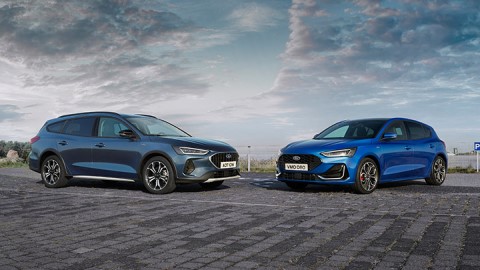
Browse the latest Ford vehicles available through the electric car grant and find savings of up to £3,750 when you make the switch to electric.

View All Promotions
Browse all of the latest Ford promotions across new and used cars and commercial vehicles, Motability and aftersales.
New Ford Cars

Incorporated in 1903, Ford's founder, Henry Ford, made it his mission to create affordable and reliable cars for the world. In 1908, the iconic Ford Model T was introduced. The rest, as they say, is history.
That same mission statement can be seen throughout the current range of Ford models. Each and every car has been meticulously engineered and designed to a high standard, yet a premium price tag hasn't been attached to them. This is one of the reasons the Ford brand has become so widely recognised.
Another reason for their success is the sheer variety of markets they cater for. Hatchbacks, SUVs, sports cars, off-roaders, commercial vehicles, and even an unrelenting supercar; Ford have something to offer for just about everyone. Explore their extensive range below.
Explore the Range
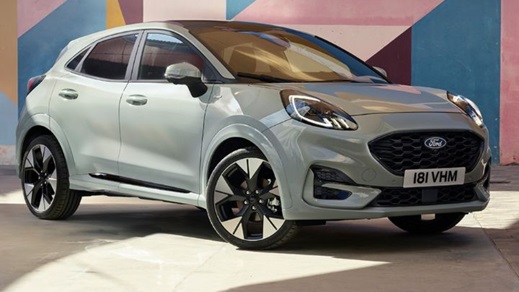
Puma
Ford's latest addition to their range of SUVs comes in the form of the Puma, which offers enhanced practicality and a dynamic drive.
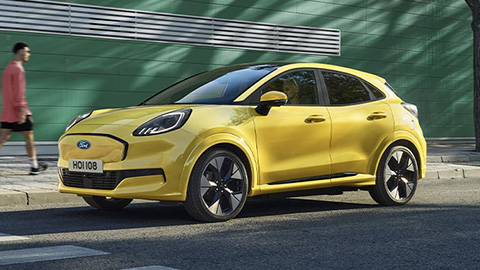
Puma Gen-E
All-electric, practical, and ready to take on city driving with ease, the Ford Puma Gen-E represents the next generation of SUV.

Kuga
Kuga comes with a range of intelligent features and a choice of advanced Hybrid powertrains.

Capri
The legend is back. Celebrating the past, whilst reinventing the future, this is the new all-electric Ford Capri.
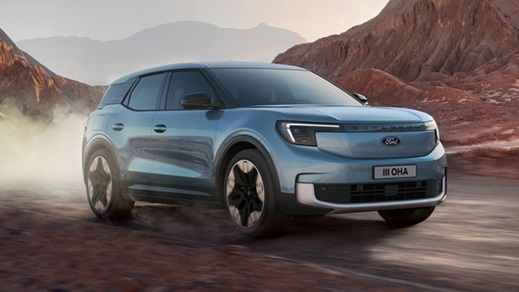
Explorer
Another exciting all-electric model in the Ford range. The new all-electric Explorer is adventure ready.

Mustang Mach-E
Combining heritage with the power of the future, Mustang Mach-E is the all-electric SUV for those who simply love driving.

Tourneo Connect
Tourneo Connect moves people and things with minimum fuss and maximum durability. It's practical in every sense of the word.

Tourneo Courier
The Tourneo Courier is a family-friendly multi-activity vehicle with futuristic looks and advanced technology.

Tourneo Custom
Flexible and versatile, the latest Ford Tourneo Custom is ready to take on your challenges all day, every day.
Ford Performance Cars

Mustang
Bolder than ever before, the all-new Ford Mustang continues the muscle car legacy in scintillating fashion.
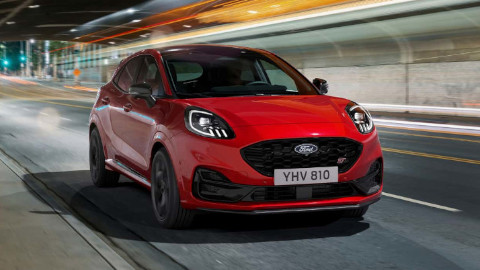
Puma ST
Puma ST combines the practical nature of a compact SUV with the characteristics of a Ford Performance vehicle.
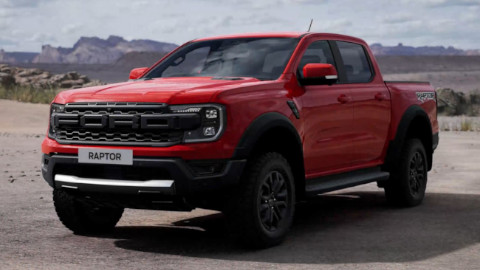
Ranger Raptor
Dominate the roads in the Ford Ranger Raptor, a pick-up truck that makes no apology for having a bad attitude.

Mustang Mach-E GT
The Ford Mustang Mach-E GT takes the cutting-edge electric vibe and enhances it with typical Ford Performance DNA.
Hybrid Cars

Kuga Hybrid and Plug-in Hybrid
Self-charging hybrid and plug-in hybrid versions of the popular all-new Kuga give you increased performance and efficiency.
Learn More

SUV Range
Compare the different models in the Ford SUV range to see which one suits you best.

Ford Hybrid & Electric
Take a look at the latest Ford hybrid and 100% electric models. We're confident you'll be impressed.

Ford Performance
Discover the Ford Performance range, designed to offer maximum driving thrills and excitement.
Find your next new Ford with Evans Halshaw
It's clear from the models available that Ford has stayed true to the mission statement that was created by the pioneering automotive legend that was Henry Ford.
Every current Ford model offers outstanding levels of engineering and design, while the sheer variety of cars means there really is something for everyone.
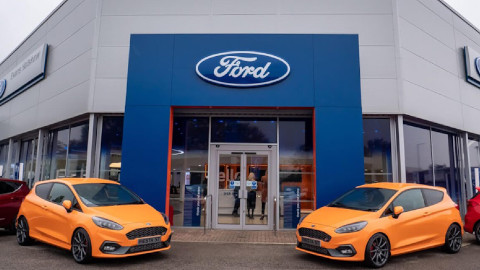
As one of the United Kingdom's leading Ford retailers, Evans Halshaw boast a rich knowledge of Ford's products and their values, it's why we’re able to offer the fantastic deals we do.
In addition, our extensive dealer network and friendly associates mean we can offer you a tailored customer experience that makes every visit a pleasure.