What is an SUV? Pros, Cons, & Features Explained
The humble SUV has become one of the most popular car types on the market, with buyers facing a huge variety of excellent options to choose from. From budget-friendly SUVs right up to premium executive models, the world of SUVs can sometimes be a confusing place. More and more drivers are flocking towards the segment, moving away from alternatives such as estate cars and hatchbacks.
With alternative body shapes moving away from traditional profiles, and many sizes that suit different lifestyles, SUV choice has never been greater. So, what is exactly an SUV? And what makes it so popular among UK drivers?
What is an SUV?
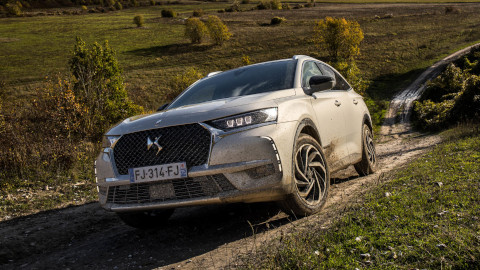
If you're in the market for a new or used car, you may have stumbled upon the term 'SUV'. It stands for 'Sport Utility Vehicle'. It refers to cars with characteristics such as greater ground clearance than your typical hatchback or estate, and a higher driving position that gives users a clearer view of the road ahead and surrounding area.
SUVs also come in a wide range of shapes and sizes, including small SUVs such as the Chery Tiggo 4 and SEAT Arona, mid-sized or family SUVs like the popular Ford Kuga and Renault Scenic E-Tech, and large full-sized SUVs that often can carry up to seven people, like the Hyundai SANTA FE and all-electric Kia EV9.
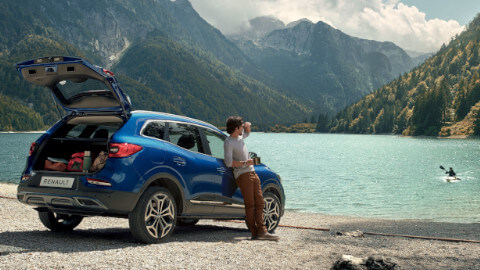
There are also plenty of other typical SUV elements, which include plenty of storage space and a large boot, with many SUVs also tending to come with four-wheel or all-wheel drive to tackle off-roading with ease. Exterior design can range from sleek, flowing futuristic design language, such as you'll see on the impressive Hyundai IONIQ 9 all-electric seven-seater, right through to more rugged, off-road-ready options such as the utilitarian-focused Jeep Wrangler.
Different Types of SUVs
SUVs these days aren't just vehicles with boxy silhouettes and tall frames designed for off-roading. Manufacturers now offer SUVs in all different shapes, styles, and sizes, giving buyers more options when it comes to finding the right SUV to fit their lifestyle and driving habits.
Crossover SUVs
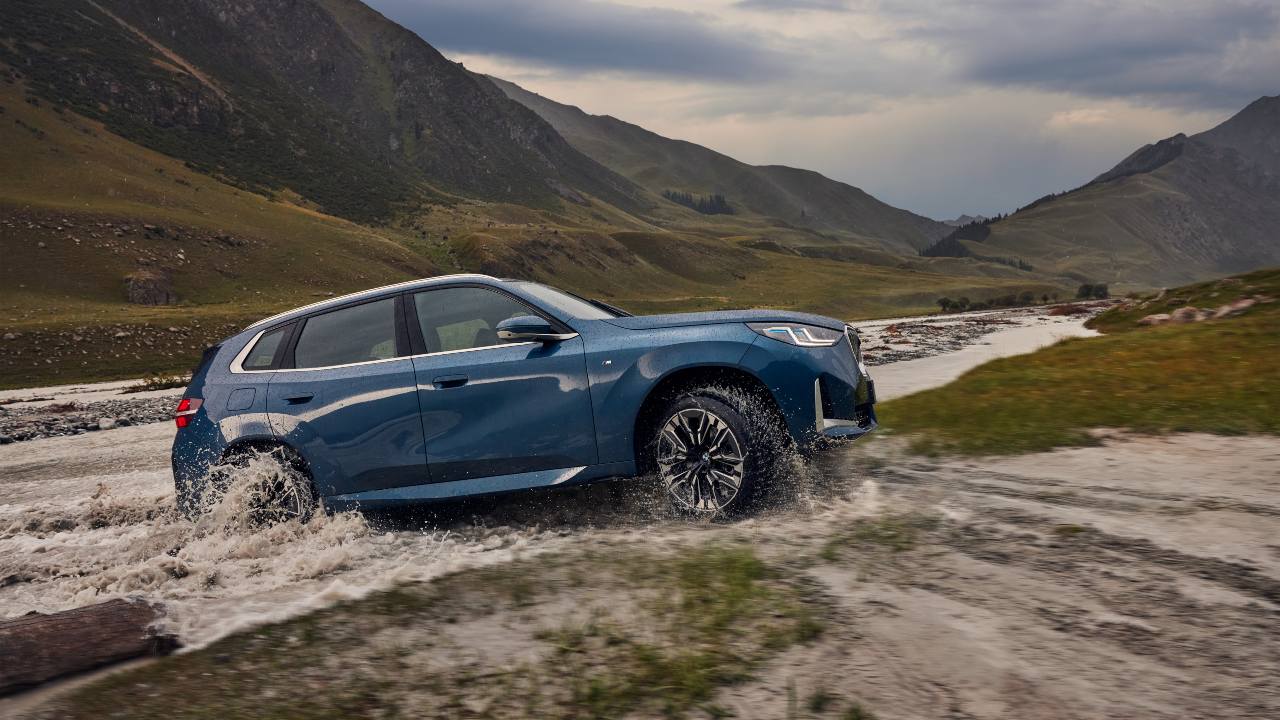
While SUVs and crossovers look quite similar from the outside, there are a few subtle attributes that set them apart.
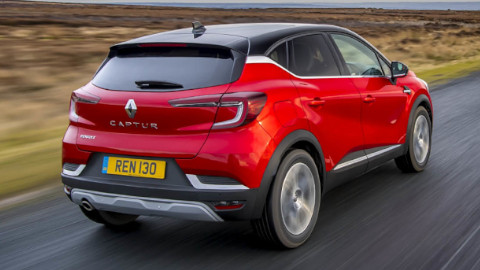
A typical SUV in the UK is generally classed as a vehicle offering greater ground clearance, a taller, box-like shape, and a roomy interior. With some exceptions, of course. Whereas a crossover tends to combine these features with elements from a hatchback or supermini, making a crossover an SUV-car hybrid. Crossovers are usually front- or, in some cases, rear-wheel drive, like the BMW X3, with some lighter four-wheel drive options.
Crossovers tend to be used in more urban settings, like a traditional saloon or hatchback, and are often easier to park and drive around city streets and towns. They range from compact and mid-size (family size), whereas traditional SUVs are more mid- to large-size with a spacious interior, higher ground clearance and boot space. They're also excellent for towing, able to pull heavy loads up to 3,500kg.
Where they do have similar design properties is that they both comfortably house five or seven occupants, have ample boot space for long-distance touring, and emphasise interior comfort at every level.
Compact SUVs
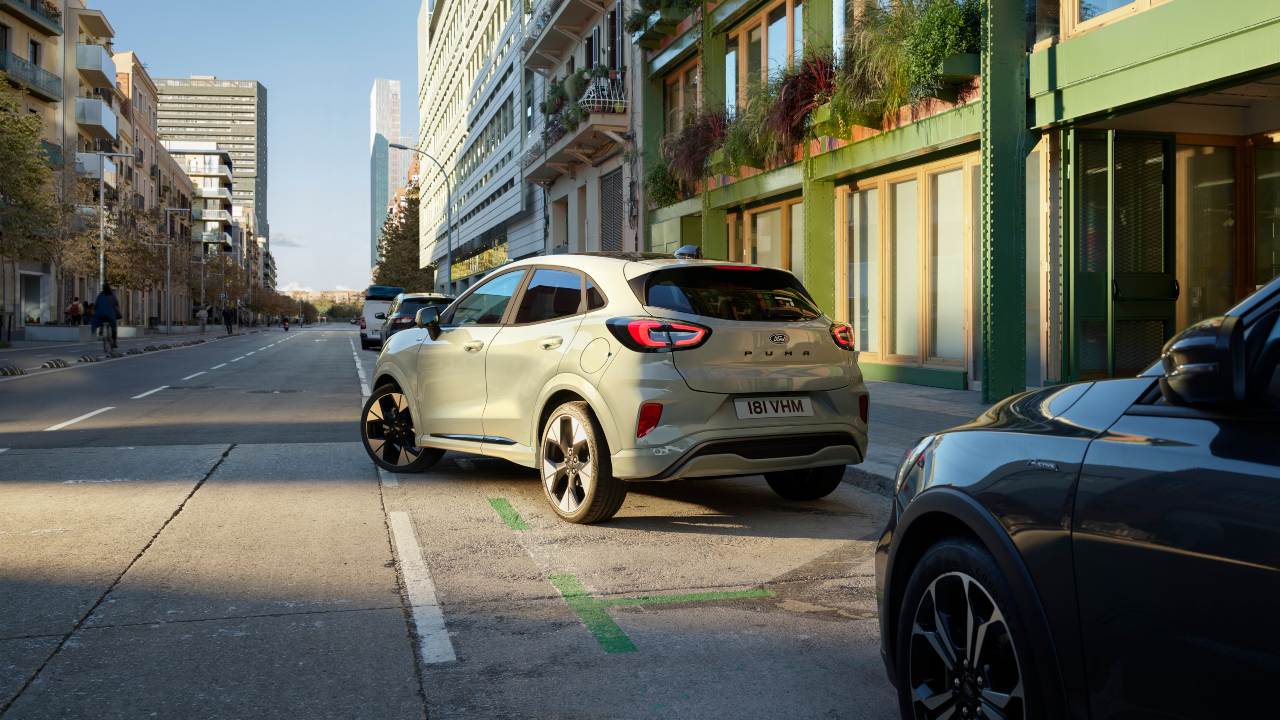
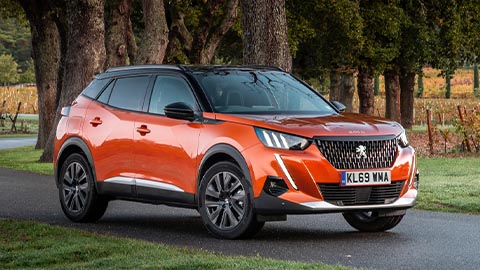
Not everyone needs or wants a mid- or large-size SUV, which is where compact SUVs come in. Compact SUVs still retain the boxy proportions and practicality of an SUV but in a smaller guise. Designed for drivers and families who prefer the raised driving position and improved interior space, but need the agility and small stature of a hatchback or supermini. Ideal for urban driving and everyday commutes.
Popular small SUV models include the Volkswagen T-Roc, which features a generous 445-litre boot and a comfortable interior, and the all-electric Citroën ë-C3 Aircross, which brings unmistakable Citroën styling and even offers a seven-seat option for larger families.
Compact SUVs don't have to be just functional for families. The Lexus LBX demonstrates that a compact SUV can be a luxury small car with its generous equipment levels and premium interior. On the other end of the scale, the smaller Dacia Duster SUV is designed for function over fashion, offering rugged styling and off-road ability, especially with the four-wheel drive version, making it a popular choice for those who love weekend adventures off the beaten track.
Large SUVs
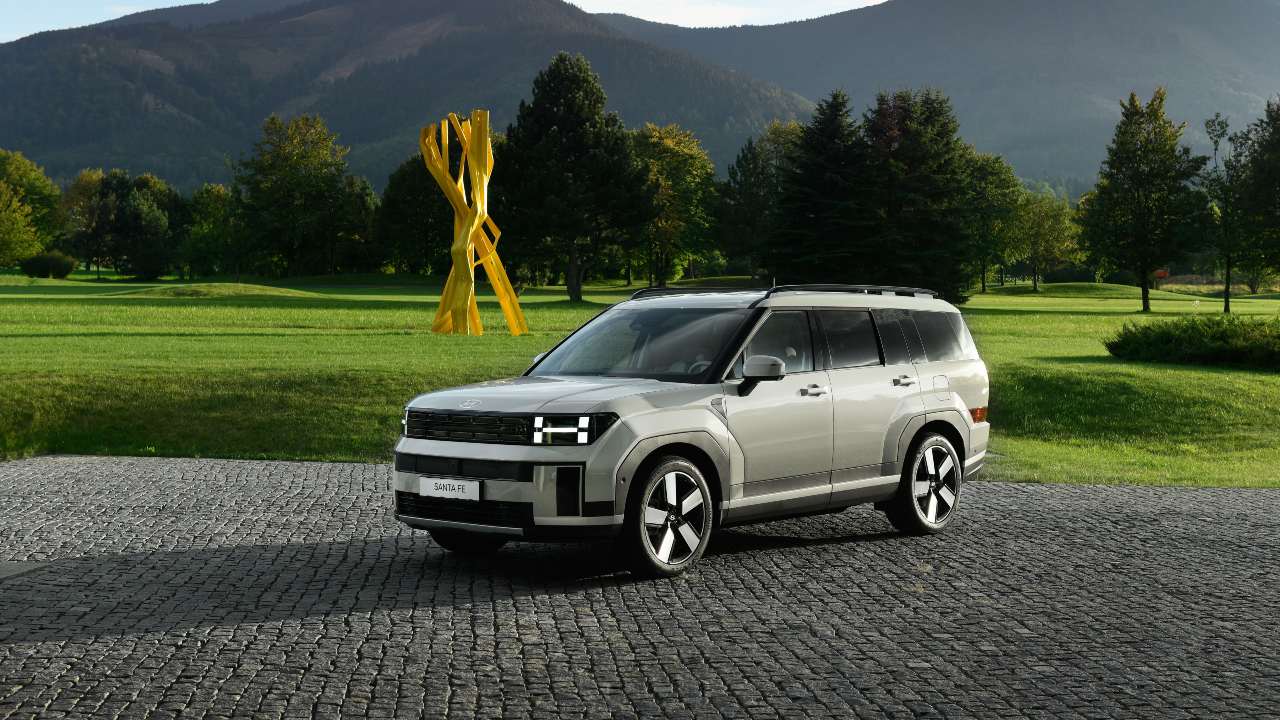
When families grow large, they need a larger car, and although there are many solid MPVs (multi-purpose vehicles) on offer that offer ample passenger and boot space, not everyone likes the van-style format that most MPVs come in. Enter the larger SUV.
Engineered with large families, heavy towing, and long-distance comfort in mind, the often six- or seven-seat SUVs provide a larger shell with an SUV silhouette, strong powertrains, and plenty of useful equipment.
SUVs such as the Mercedes-Benz GLB and Hyundai SANTA FE are both prestigious, larger SUVs. The SANTA FE can house seven or six adults, with the latter replacing the second bench with two captain's chairs, and comes with USB sockets, charging mats, ambient lighting, high-quality speakers and useful cupholders throughout the cabin for all to use.
SUV Coupé
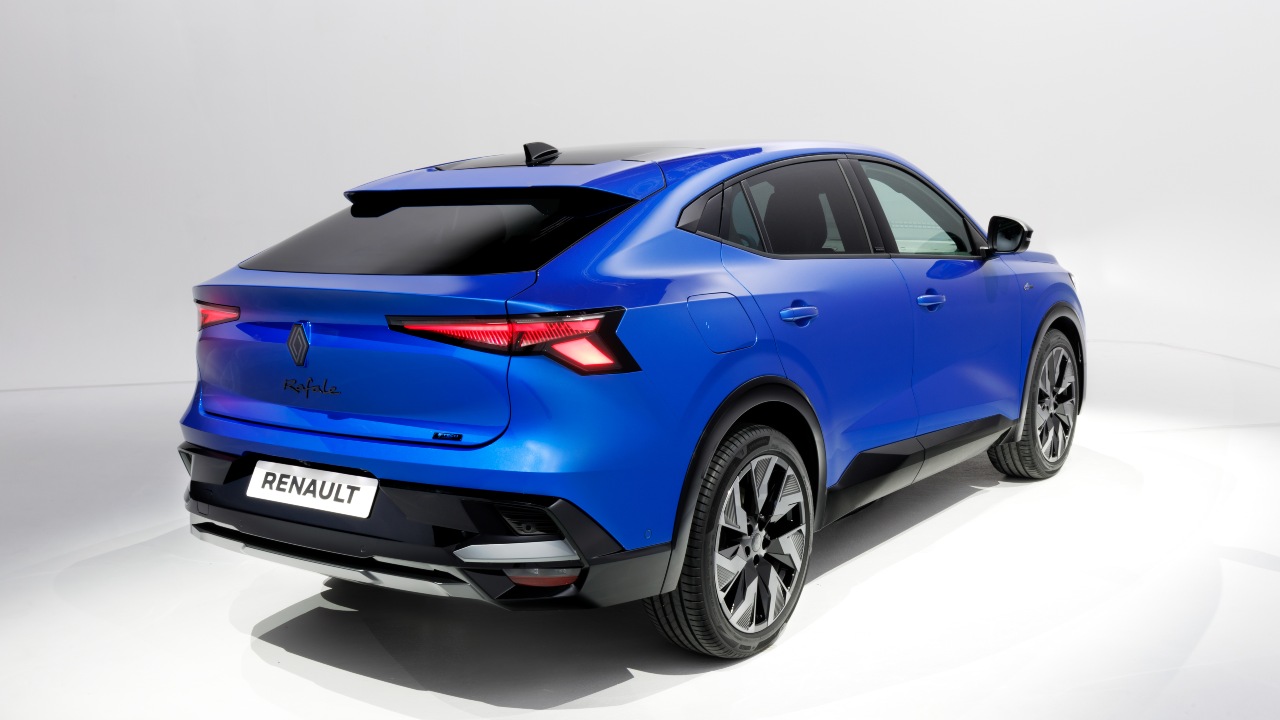
To meet the demands of the modern driver, manufacturers have adapted SUVs, offering different body styles and classes, while keeping the SUV fundamentals that make them so appealing.
The SUV Coupé (or SUV fastback) blends the higher ride height and muscular, bold styling of a traditional SUV with the more sloping and aerodynamic roofline of a coupé. However, the fastback shape does come with some potential downsides, as you don't get the same rear passenger and boot space as you would with a more boxy SUV shape.
Family SUV coupés include the standout Renault Rafale and Peugeot 408 models, which look distinctive on the road. More premium, performance SUV coupé models include the executive Mercedes-Benz GLE Coupé, designed for plush comfort, and the race-bred Alfa Romeo Stelvio Quadrifoglio, with its frighteningly fast 3.8-second 0 to 62mph sprint and throaty character.
Luxury SUVs
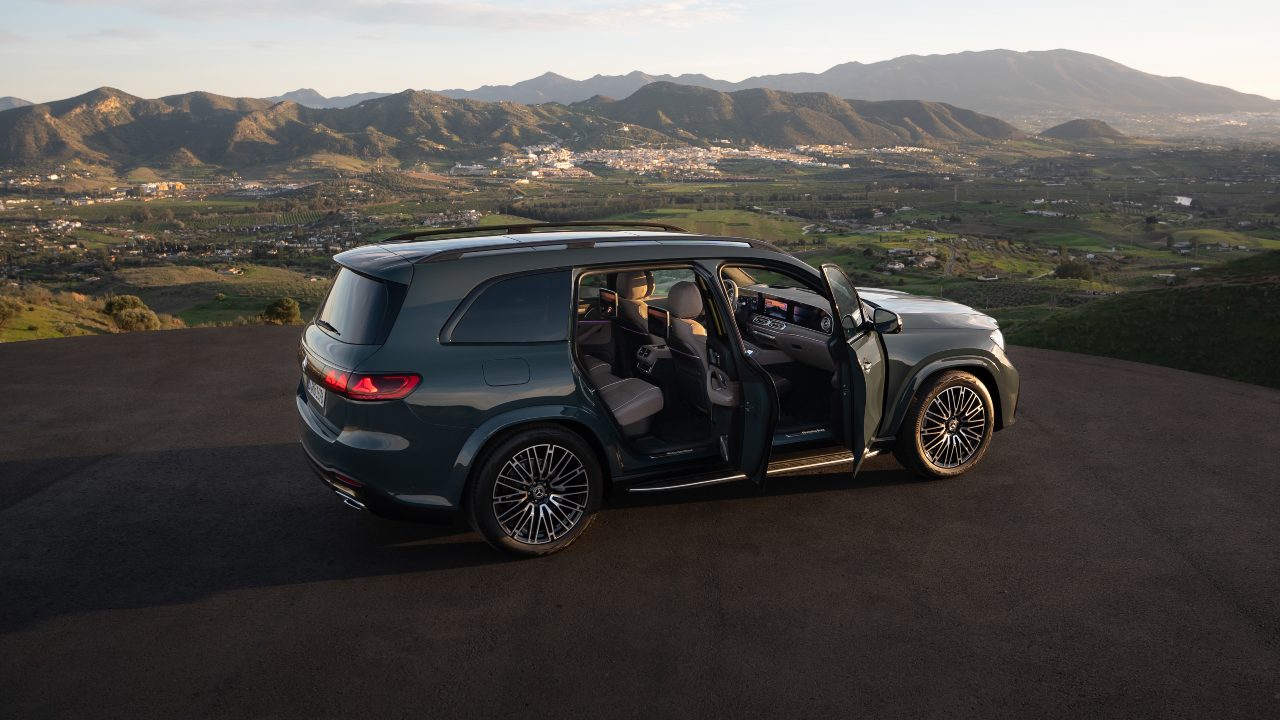
Luxury SUVs retain the traditional box-like silhouette, but add lots of executive features such as individual captain’s chairs for passengers, multi-zone ambient lighting, panoramic roofs, and plush, bespoke upholstery that makes them excellent for cruising.
Often kitted out with high equipment levels and up-to-date tech, such as advanced driver assistance systems (ADAS), executive SUVs tend to be used for long-distance comfort, rather than off-road adventuring. Powertrains range from smooth all-electric units, like you'll find in the Mercedes-Benz EQS SUV, to the potent 4.4-litre twin-turbo V8 you'll find in the BMW X5.
Popular luxury SUVs include the Mercedes-Benz GLE and Land Rover Defender. Plus, there are more sports car-oriented options available, such as the Aston Martin DBX and Ferrari Purosangue, which shows how popular SUVs are when heritage supercar brands are producing their own versions.
Pros and Cons of SUVs
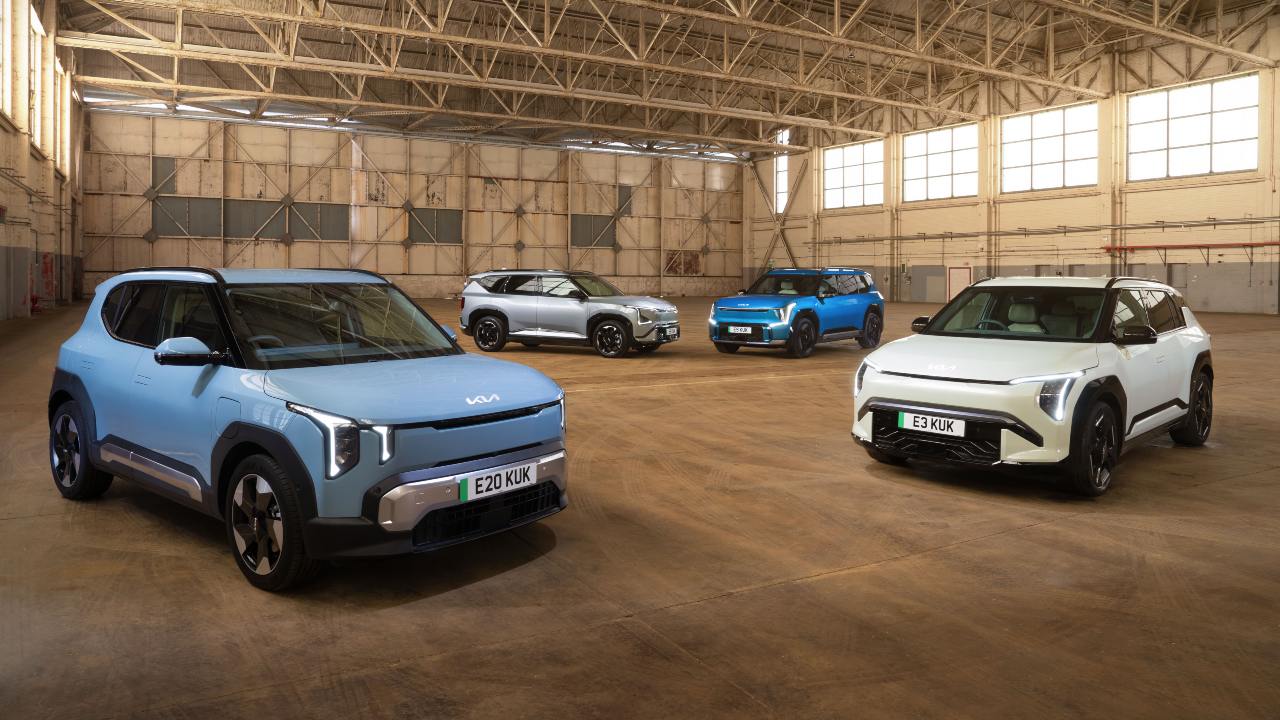
When looking to buy a new or used SUV, there are some considerations to look at before making your purchase. While SUVs offer lots of benefits, like any car, there are some downsides, so we've included them to give you a balanced view.
SUV Pros
- Comfort and cabin space: SUVs are known for their spacious interiors thanks to their boxy shape. Even compact SUVs have better relative interior space. Compared to a hatchback or saloon, they generally provide more legroom and headroom, making long journeys much more comfortable and providing increased room for pets.
- More boot space: And with more cabin space, you generally get excellent boot space. This makes it excellent for families with holiday luggage or outdoor gear. And with the seats down, SUVs are excellent at transporting bulkier items.
- Better driving position: Thanks to higher ground clearance, you get an improved driving position that gives you much-improved road visibility, boosting driver confidence while making hazards easier to spot.
- Safety and road presence: Family and larger SUVs boast more prominent profiles than their hatchback or supermini counterparts. This gives them an edge in crash protection, which families will value. Plus, like many modern cars, SUVs come with a range of advanced driver assistance systems (ADAS) such as adaptive cruise control, automatic emergency braking, reversing cameras, and forward collision warning.
- Off-road ability: Many SUVs come with four-wheel drive (4x4), so they're excellent off the beaten track and for those who live out in the countryside, making them useful during the winter months. Even the two-wheel drive versions are competent over rough ground, making an SUV ideal for those who love weekend adventuring.
- Higher ground clearance: Along with 4x4 capability, SUVs, even compact and SUV coupé models, have decent ride heights, making them ideal for bumpy tracks and for those who live in the country. SUVs like the Land Rover Defender and Jeep Wrangler have some of the highest ride heights available.
- Towing capabilities: Many SUVs have excellent towing capabilities, with some of the larger SUVs, like the Volkswagen Touareg and BMW X7, able to tow up to 3,500kg, which is especially useful for those with horses or substantial caravans.
SUV Cons
- Higher prices: Although typically pricier than a standard hatchback or saloon, SUV prices are coming down, with some more keenly priced options available like the Dacia Duster and MG ZS.
- Higher running costs: Older SUVs generally come with larger and more powerful engines to move the larger bulk and weight of the SUV around, thus making fuel consumption higher. However, with the introduction of hybrid and all-electric models, modern SUVs have a much better fuel economy and all-electric range. Also take into consideration the higher insurance groups and increased road tax for petrol and diesel SUVs.
- Harder to manoeuvre: Although the size and ride height are an advantage, when it comes to city driving and parking, SUVs can be more challenging to manoeuvre. Their size can make squeezing into parking spaces more difficult or traversing small village roads and country lanes a squeeze. Manufacturers have combated this by adding safety features such as reversing and 360-degree cameras to their models, making parking much easier.
- Environmental impact: Larger ICE engines have increased CO2 emissions, making them less eco-friendly. To address this, brands are building more hybrid and all-electric SUVs, which reduce or eliminate harmful emissions.
What are the best SUVs?
Thinking about buying an SUV? Here, we've brought together some of the best SUVs across different classes to make it easier to narrow down your choices and find the right SUV for you.
Best SUVs for Families
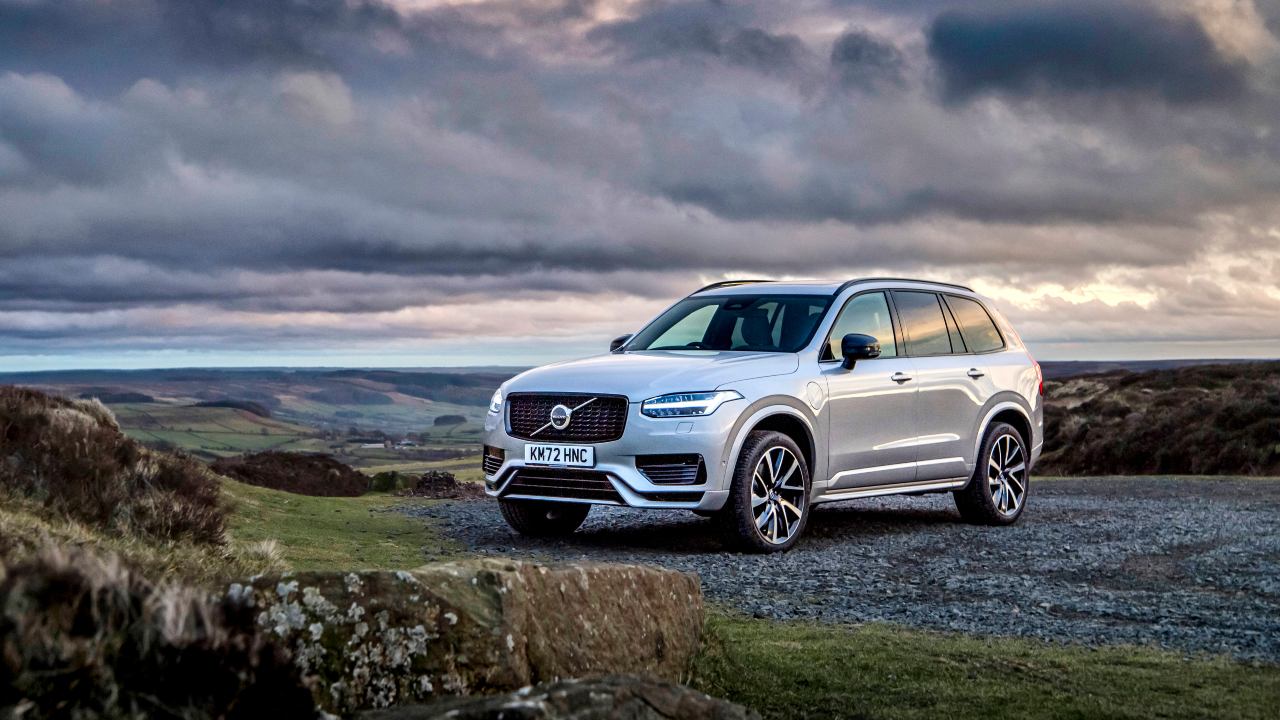
An SUV is a popular family car. Choosing the best SUV for your family comes down to certain factors such as interior space, comfort and safety levels that meet your family requirements. The Volvo XC SUV series is a solid choice, ranging from the small XC40, the mid-size XC60, and the larger XC90, offering exceptional safety levels, ride comfort, and ADAS features. Likewise, the Ford Kuga is an excellent all-rounder that comes with lots of options and trim levels to suit every family lifestyle possible, while the Audi Q7 is recognised as a solid seven-seater option for those with larger families.
Best Small SUVs
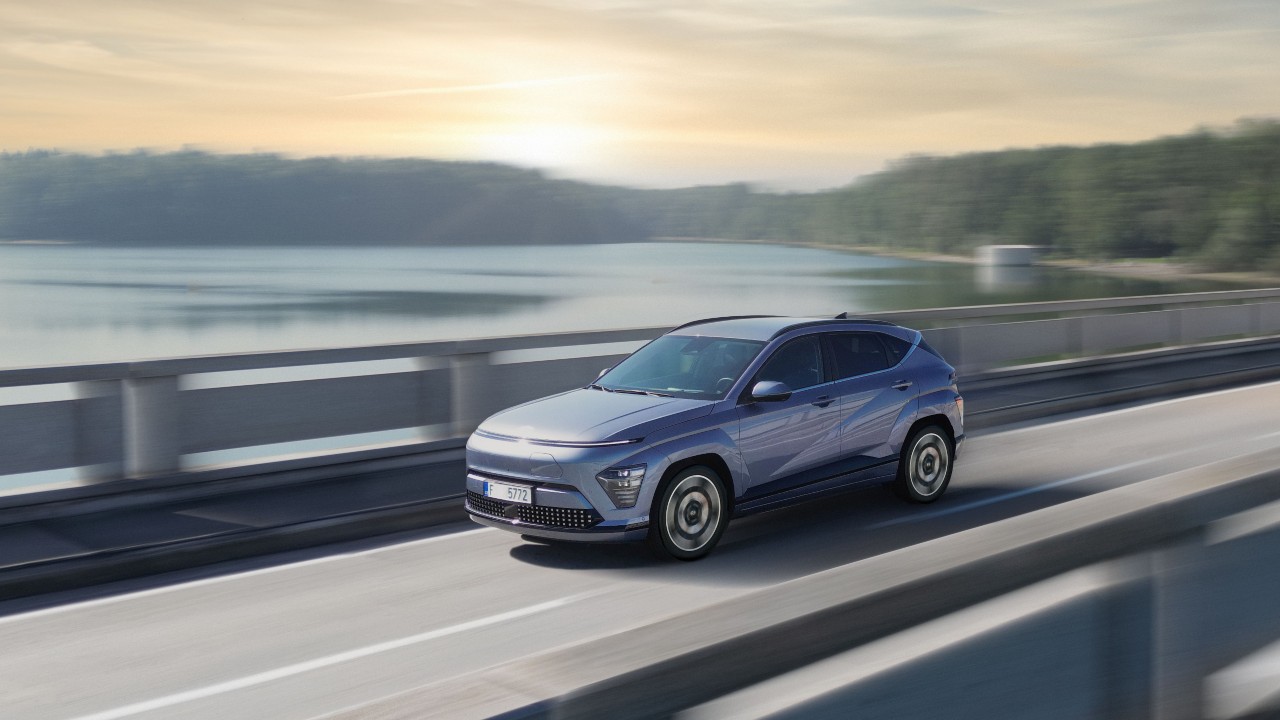
When it comes to compact size, small and crossover SUVs are a great place to start. Smaller SUVs such as the Hyundai KONA, which comes as an all-electric or hybrid option, have all the SUV elements such as space and a better driving position but in a more compact setting, while the Ford Puma crossover offers unique styling and some performance-led trim options.
A small SUV gives you all the comfort levels of its larger cousins, but it is more suited to city and everyday driving.
Best Mid-Sized SUVs
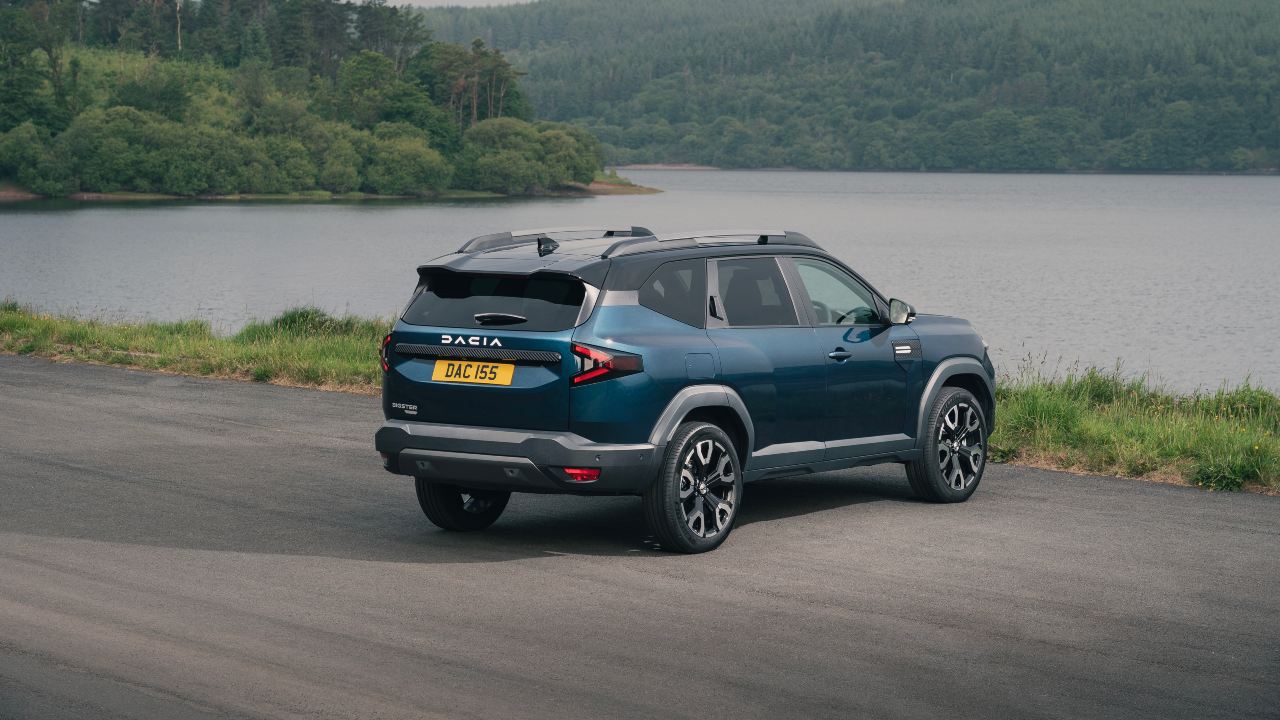
As one of the most popular SUV profiles out there, the best mid-sized SUVs offer a balance of proportions that aren't too large (making urban driving a challenge) or too small (so you can't fit everything in).
From keenly priced SUVs, like the Dacia Bigster, which features lots of standard equipment levels and even a 4x4 option for your budget, right through to luxury mid-size models like the Lexus RX and all-electric BMW iX3.
Best Large SUVs
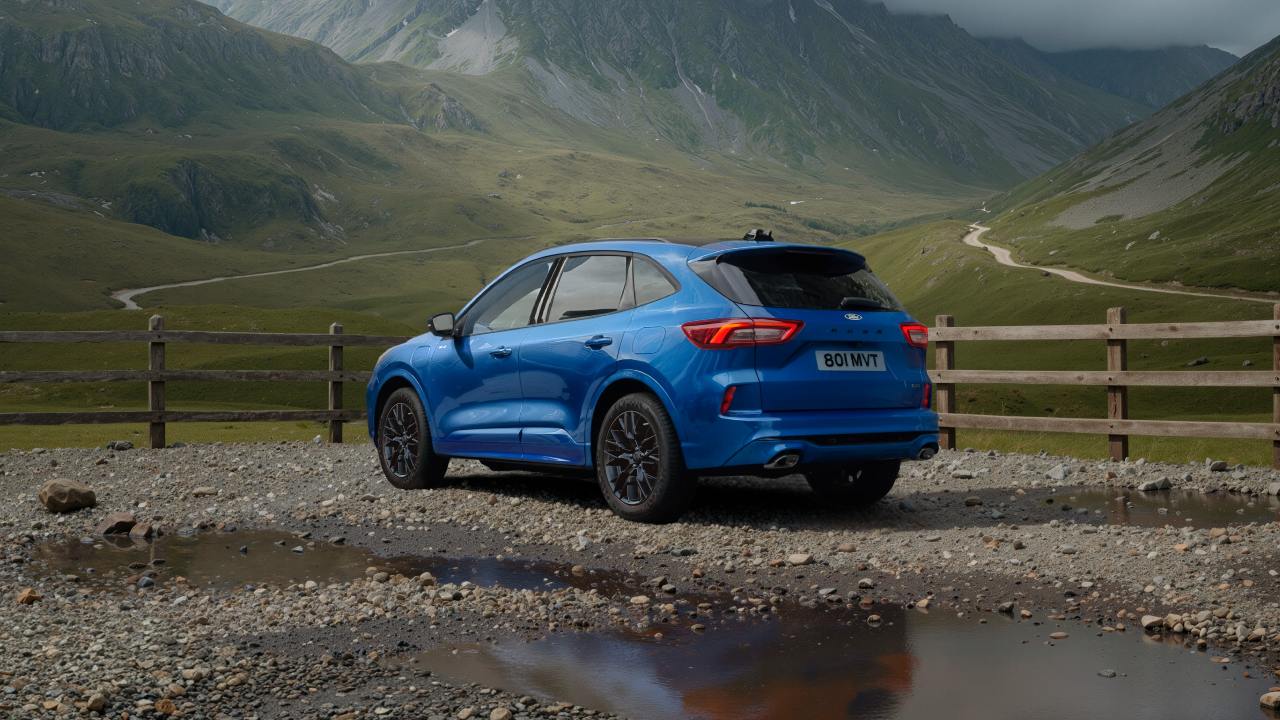
For those who have larger or extended families, a large SUV is your best option. Seven-seat SUVs have a third row of seats for taking an extra pair of passengers. The downside is that you will lose some boot space, and they can be harder to manoeuvre around town. They often have comfortable interiors and refined ride quality, making them ideal for long tours and extended holidays.
Although there are lots of premium seven-seat SUV options like the Land Rover Defender and BMW X7, there are also some good value choices such as the Citroën C3 Aircross, Skoda Kodiaq, and Peugeot 5008. Plus, having the third row of seats folded down opens up the boot space considerably, making a seven-seat SUV ideal for those who need lots of luggage space and occasionally need those extra two spaces.
Best Electric and Hybrid SUVs
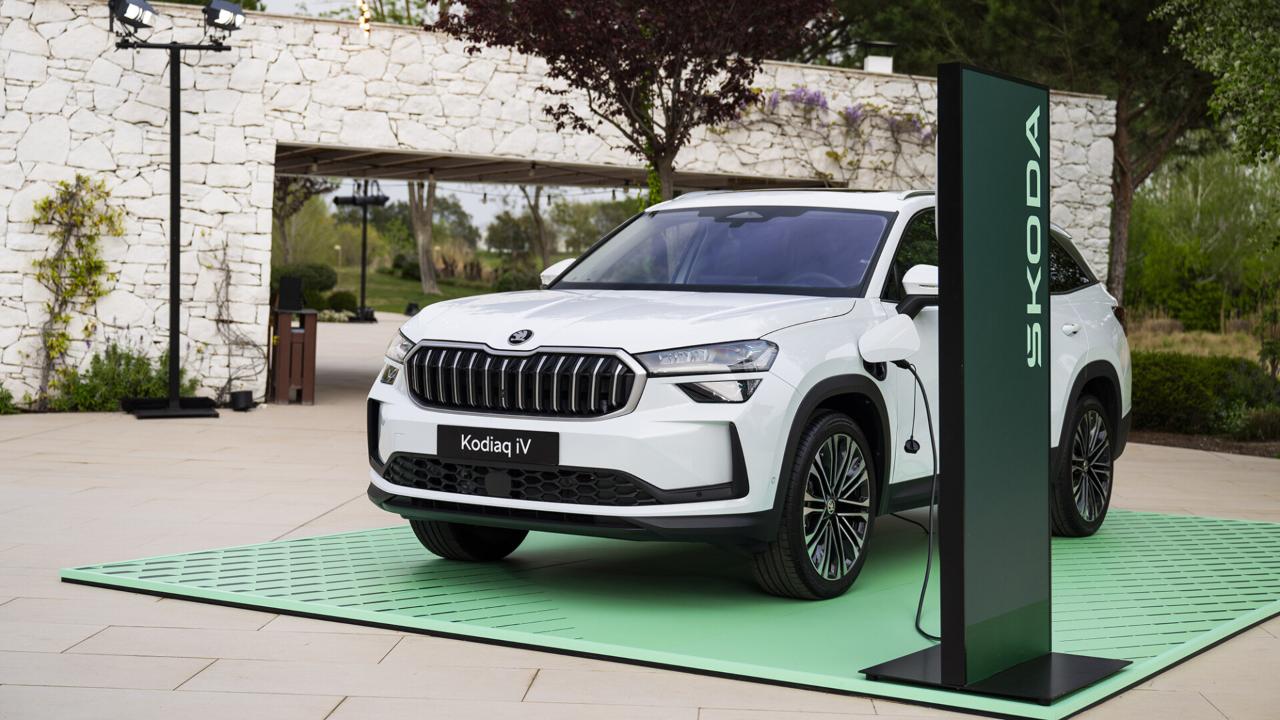
If you want to keep things economical and keep running costs lower, opting for an all-electric or hybrid SUV could be a wise choice. Many new SUVs and some used SUVs feature both full hybrid (HEV) and plug-in hybrid (PHEV) powertrains, which give you better fuel economy, especially on longer road trips.
Hybrid SUVs such as the ultra-reliable Toyota RAV4 and Honda CR-V offer excellent ranges, whereas the Nissan Qashqai e-Power and BYD Seal U DM-i offer a smooth ride and strong refinement. And if you're chasing a PHEV with a good all-electric range for everyday driving, you might want to check out the OMODA 9, which has a long 93 miles of all-electric range.
If an all-electric SUV is on the cards, there are lots to choose from in both the new and used car market. Crossovers like the Vauxhall Mokka Electric offer solid equipment levels and value for money. In contrast, the Kia EV6 is ideal for families and has a strong all-electric range of 361 miles WLTP.
If size is an issue, the Renault 4 E-Tech has the profile of a small crossover SUV and makes city driving and everyday driving a piece of cake. If you're after luxury and performance, a BMW iX is a great option, delivering 402bhp and a quick 0 to 62mph sprint of 5.1 seconds alongside a plush interior and plenty of useful tech to make the journey easier. And if off-roading is on the cards, but you want an all-electric powertrain, the powerful Jeep Compass 4xe offers both zero-emission driving and 4x4 capability, as well as a +10mm ride height over other trims.
Frequently asked questions
SUVs are one of the most popular car styles today because they pair a higher driver position, spacious and practical interiors, and safety levels that are good for families. SUVs also come in a variety of shapes and sizes, with new and used options appearing all the time to suit every buyer's budget and lifestyle.
No, many family and crossover SUVs feature front-wheel drive (FWD) or rear-wheel drive (RWD) and are designed more for everyday life than off-road exploration. However, some SUVs do come with four-wheel or all-wheel drive, such as some trims of the Dacia Duster and Bigster models. For a true 4x4 experience, options like the Land Rover Defender and Jeep Wrangler are designed for more rugged tracks and countryside rambling.
The main difference between a typical SUV and a crossover (CUV) is how they're engineered and constructed. Crossovers combine the higher ride height and tall profile of a traditional SUV with the driving style and profile of a car, like a hatchback or supermini.
Find your perfect SUV with Evans Halshaw
Now that you're better clued up on what an SUV is and the differences between all the SUV body styles and sizes, you might be looking for your very own model. Whether you're after a smaller SUV for a little extra luggage space, or you want a full seven-seater for the whole family, there's sure to be a new or used SUV that suits your lifestyle perfectly.
To find out more or to test drive a specific SUV model, contact your local Evans Halshaw dealership, where our friendly team can go through your options, while our blog section has excellent car buying guides which can further narrow down your choice.