How to Improve Fuel Economy and Cut Fuel Costs in the UK
13th May 2026

Paying more for fuel lately? With petrol and diesel prices constantly on the rise, it's important that you make the most out of every drop of fuel so that you can improve your economy and save yourself some money.
You can't change the prices at the pump; however, there are lots of different techniques and habits you can incorporate into everyday driving that will have a positive impact on your vehicle's fuel economy. Try following a few of the fuel-saving tips and techniques below; you may be pleasantly surprised by just how much of a difference a change in driving style can make.
- Keep tyres at the correct pressure
- Anticipate Traffic Ahead
- Drive smoothly and avoid hard acceleration
- Remove Excess Weight
- Maintain a steady driving speed
- Change Gears Efficiently
- Keep your car serviced
- Avoid unnecessary idling
- Use air conditioning wisely
- Don’t coast in neutral
- Reduce drag from roof boxes & open windows
- Plan Efficient Routes
- Consider a hybrid or EV
Keep tyres at the correct pressure

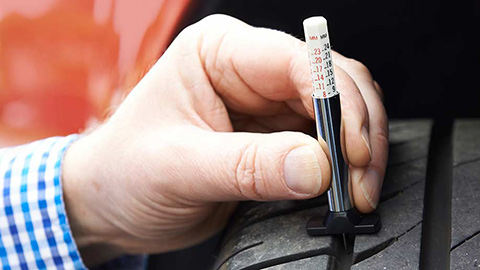
It's critical for road safety to check your tyres regularly, but did you know that under-inflated tyres can significantly impact your vehicle's fuel economy? Underinflated tyres can have a detrimental effect on your fuel economy by as much as 2.5 percent. Although that only feels like a fraction, imagine that cost over a year? So it's crucial you keep an eye on tyre pressure and inflate them when needed.
You can usually find recommended tyre pressure levels on the inside of the driver's door frame, on the inside of the fuel flap, or in the driver's manual. Here, it'll tell you the correct tyre pressures in Bar and PSI, so that you can inflate them and make them more roadworthy. Checking tyre pressures on a regular basis and, importantly, before long journeys supports fuel efficiency as well as improving road handling and tyre longevity.
Tyres can also affect fuel consumption due to their fuel efficiency rating. The European Commission categorises tyres from A to G based on their fuel efficiency. An A-rated tyre can improve fuel economy by as much as 7.5 percent compared with a G-rated tyre, so choosing a more fuel-efficient tyre can improve economy, while still delivering on grip and road handling.
Accelerate and decelerate smoothly
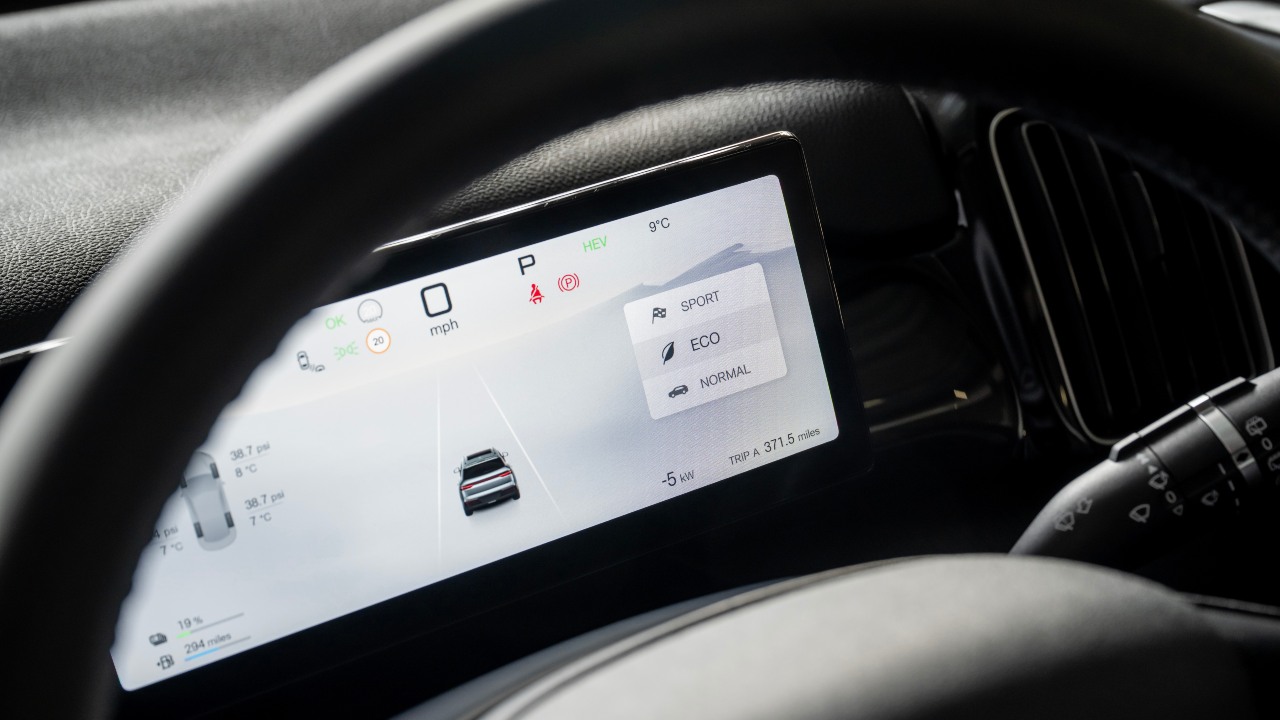
When the lights turn green, don't stamp on the accelerator and get up to speed as fast as physically possible.
Accelerate briskly but smoothly, reaching the desired speed in a reasonable time frame so as not to frustrate your fellow road users behind you. Don't wait until the last minute to come to a standstill either, lift off the gas nice and early and brake gently until you come to a stop.
When it comes to speed bumps, don't accelerate quickly and then slam on the brakes to go over the bump. Try to maintain a constant speed of between 15 to 20mph unless your car is particularly low or the bumps are exceptionally high.
Anticipate Traffic Ahead
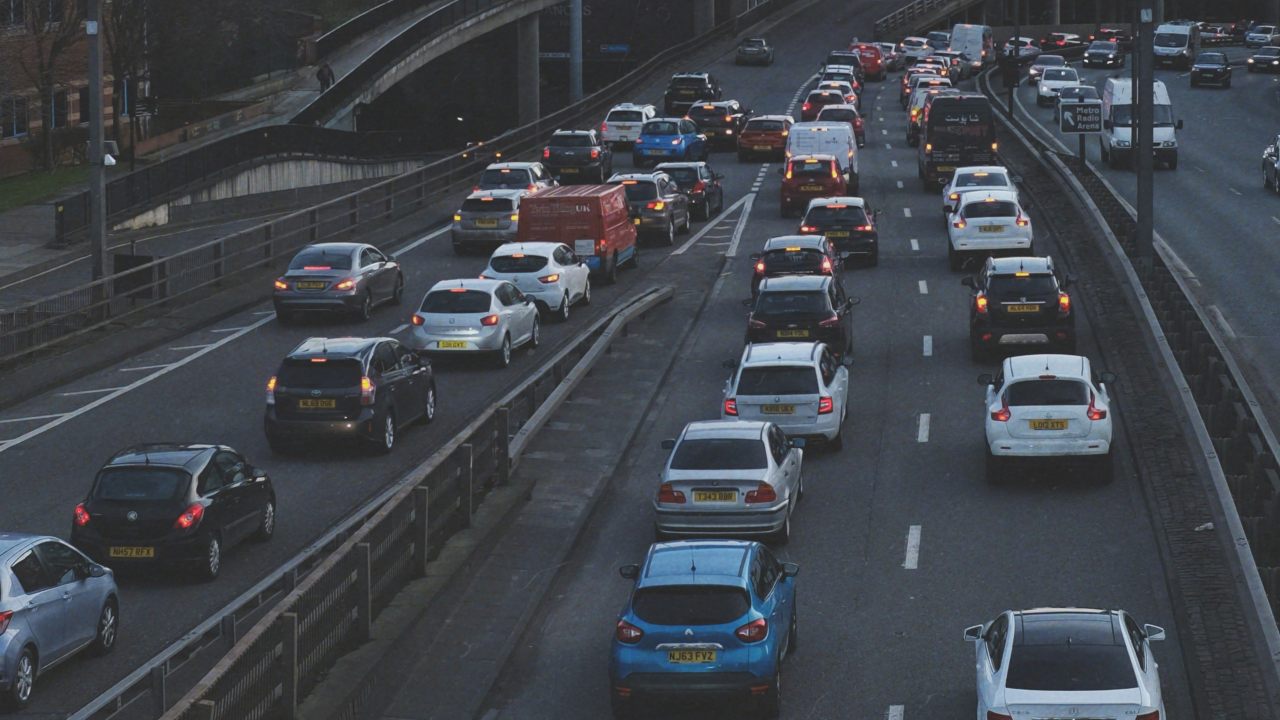
A simple way to save fuel is by simply anticipating what is likely to happen in front of you when driving. This is especially important in city driving, where traffic flow is more stop-start than on a motorway. Reading the traffic ahead of you will help you react earlier, such as braking more smoothly and avoiding stop-start driving when traffic builds up ahead.
While maintaining your focus on the vehicle directly in front of you, take a moment to glance ahead to see what's coming. If there's a red light, try to lift off the gas a little earlier than you might normally, without taking it to extremes, of course. If the lights change, you'll still be rolling, and you'll spend less time getting up to speed, using less fuel in the process.
Smooth driving is much more efficient than late braking and rushing forward. The less time you spend braking and accelerating, the better fuel economy you'll benefit from.
Remove Excess Weight
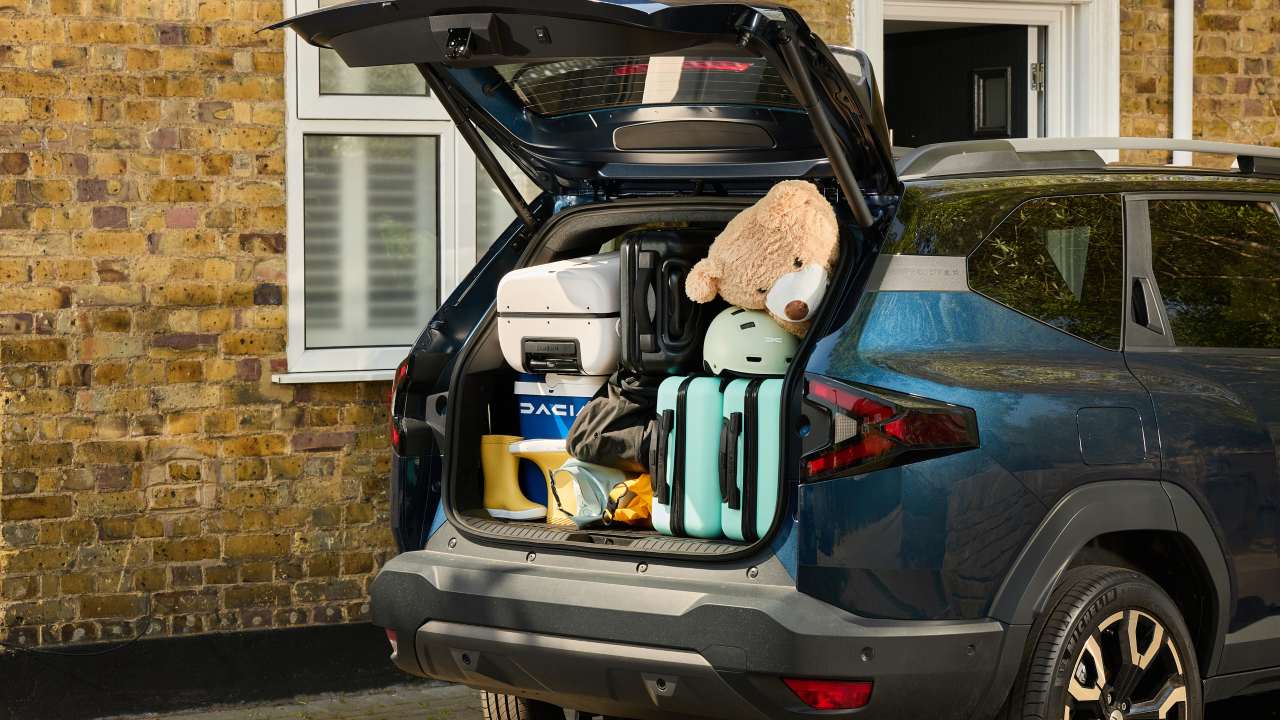
The heavier your car is, the more fuel it needs to move, which increases fuel consumption and reduces efficiency, which is why lighter cars tend to deliver better fuel economy, while big SUVs are traditionally a little thirstier. For example, lightweight sports cars like the Mazda MX-5 deliver solid performance while still achieving over 50mpg on long journeys.
Roof boxes and bike racks are among the most common sources of extra weight and drag, especially when left on the car when not in use. Small changes, such as having a good, clear out of what's in the back seat and the boot, can make a difference to fuel economy over time.
Maintain a steady driving speed
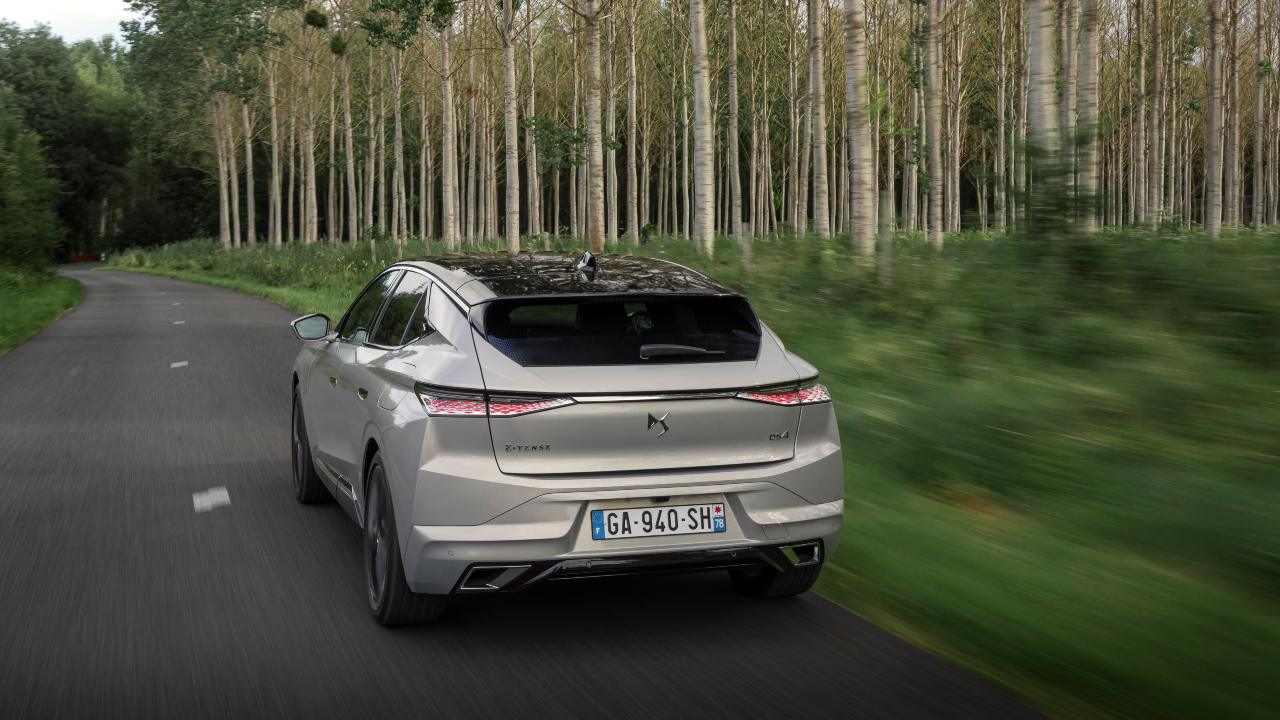
The road might be clear, the sun’s out, and traffic feels light, which makes it tempting to edge over the speed limit. But it’s worth keeping an eye on your speed, as it’s easy to drift without noticing.
Speeding isn't just illegal; it also burns more fuel. Even a small increase, such as driving at 80mph instead of 70mph on a motorway, uses a lot more fuel, and you'll definitely get a speeding fine and points if caught.
Most modern cars come with cruise control, which can be useful for maintaining a steady speed on long journeys. Constantly slowing down and speeding up uses more fuel, so engaging cruise control at a steady, safe speed is the best way to get better fuel economy.
Change Gears Efficiently
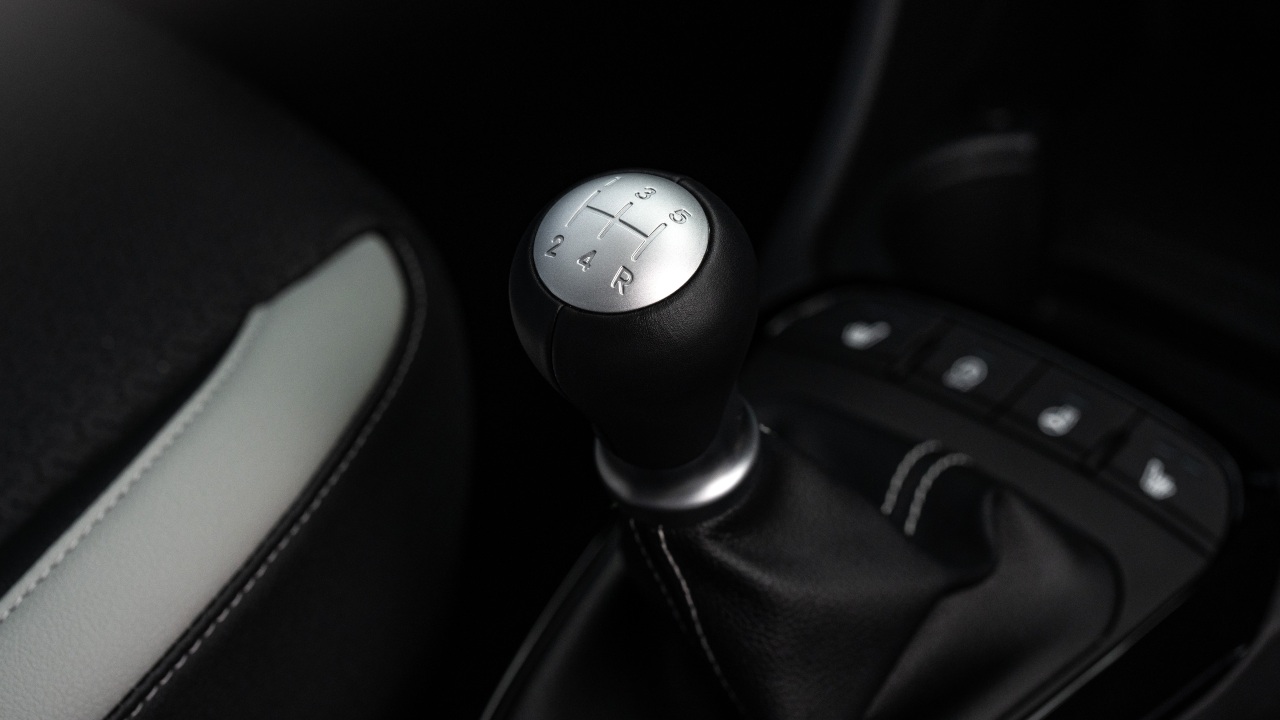
Driving tests don’t specifically assess how efficiently you use your gears; you just need to show how to use them and change gears correctly to get the car to move at various speeds.
However, to get the most mileage out of every drop of fuel and maintain maximum efficiency, it's vital that you're always using the right gear at the right time. Be careful not to over-rev, and make sure you don't labour the engine by being in a gear that's too low for the speed and terrain.
Generally, petrol cars are at their most economical between 1500 and 2500 rpm, so you should aim to change up to the next gear whenever you exceed the higher end of that range. For diesels, it's between 1300 and 2000 rpm. Most modern cars come with gear change indicators too, notifying you when to change up or down gears for optimal performance, via the driver display unit.
Keep your car serviced
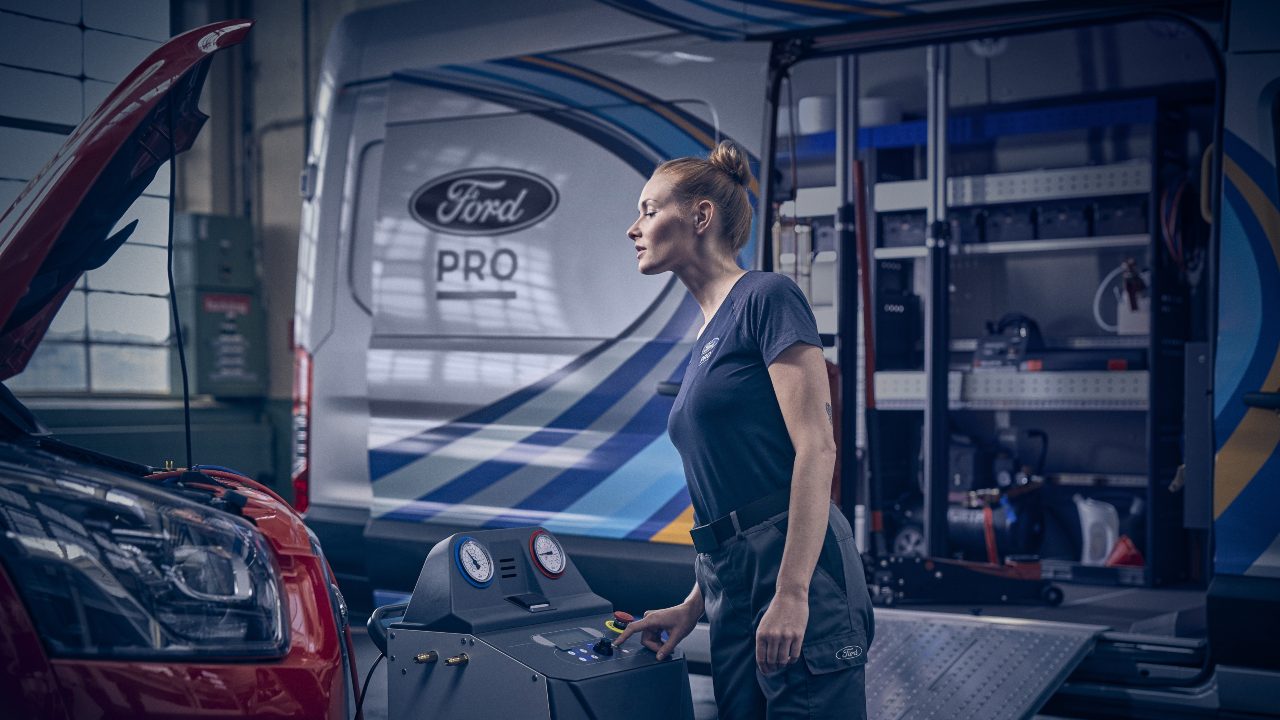
It’s easy to overlook, but keeping your vehicle in good mechanical condition is vital for safety as well as maintaining strong fuel economy. A car that is serviced regularly, in line with manufacturer schedules, using the correct parts, fluids, and lubricants, will be more efficient than one that isn't. It'll be more reliable and limit any depreciation, too.
Wheel alignment (known as tracking) also affects fuel economy by influencing tyre wear and rolling resistance. It can be easily knocked out by something as simple as a pothole in the road, so make sure you get it checked regularly. If your car pulls to one side, it may indicate a tracking issue and should be checked by a qualified mechanic.
Heated seats, heated steering wheels, heated windscreens and anything else heated will use extra fuel, too.
Avoid Unnecessary Idling
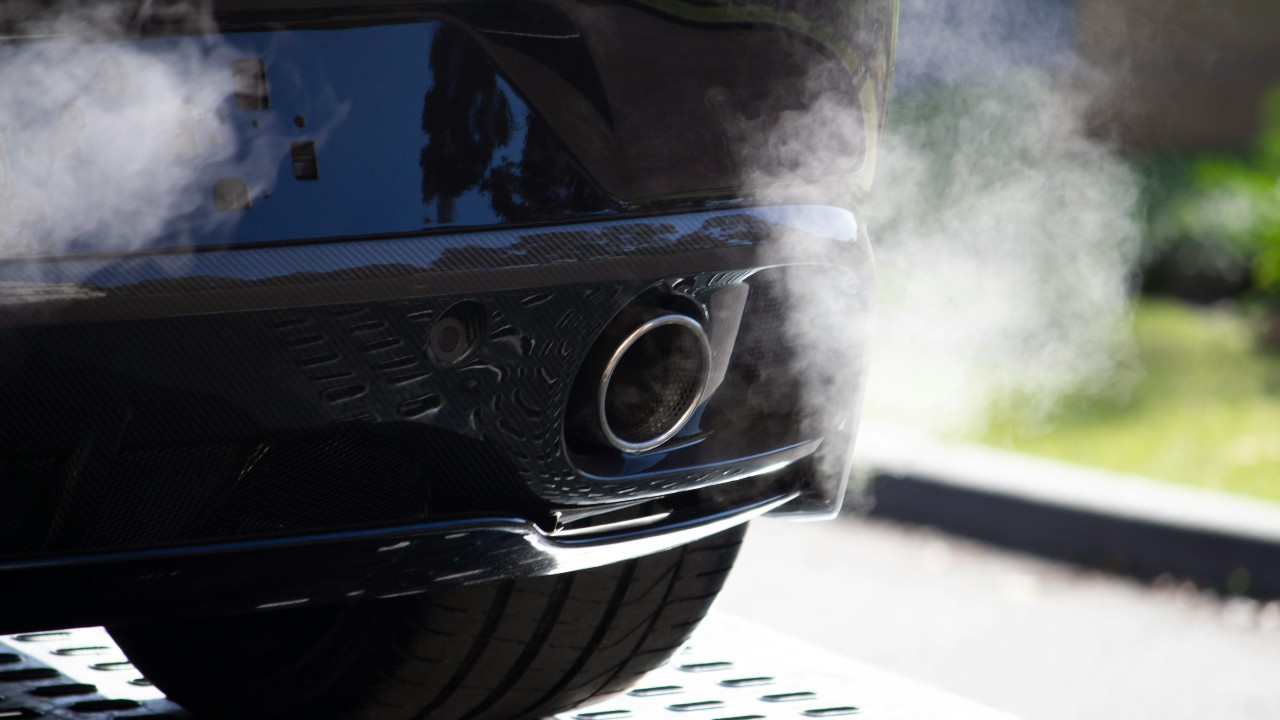
When a car is stationary, and the engine is idling, you're getting precisely zero miles per gallon from your fuel. This is because idling wastes fuel, but you aren't going anywhere. You might as well be throwing money in the bin.
So, waiting for a friend outside their house? Turn the engine off. Eating your burger at the drive-thru? Turn the engine off. In some areas, leaving your engine running unnecessarily may also be subject to local anti-idling regulations or fines.
Modern cars with 'stop/start' technology save fuel by turning the engine off while the vehicle is stationary. If your car has this function, keeping it turned on is the best thing you can do for fuel economy.
Use air con & heating functions wisely
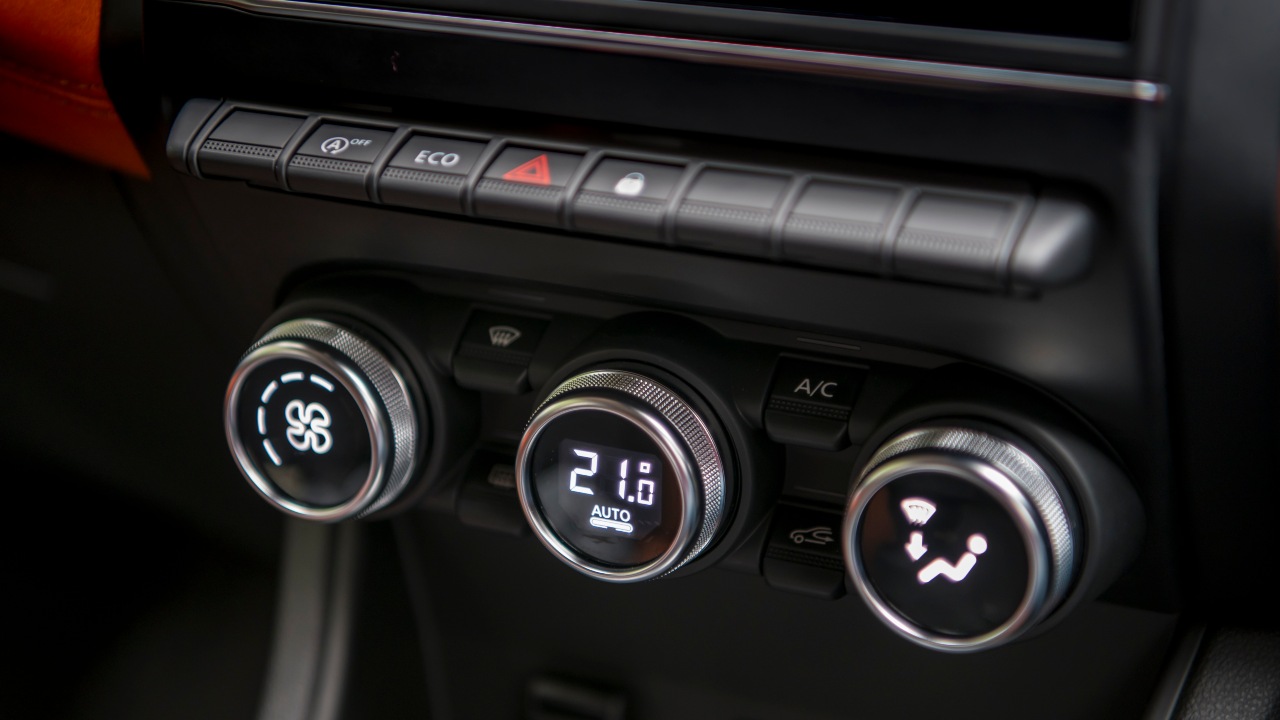
As a general rule, electrical systems in a car can increase fuel consumption because they place an extra load on the alternator, which is powered by the engine and therefore uses fuel.
Air conditioning is one of the biggest contributors, increasing fuel consumption by up to around seven percent in city driving. At higher speeds, the impact is less noticeable, and in some cases, using the air con at motorway speeds is actually more efficient than driving with the windows down because of the drag that's created.
Comfort features, such as heated seats, heated steering wheels, and heated windscreens, also place additional load on the electrical system, which can slightly reduce fuel economy, so be selective when you choose to utilise these systems, but be sure to enjoy your driving experience, too.
Don’t coast in neutral
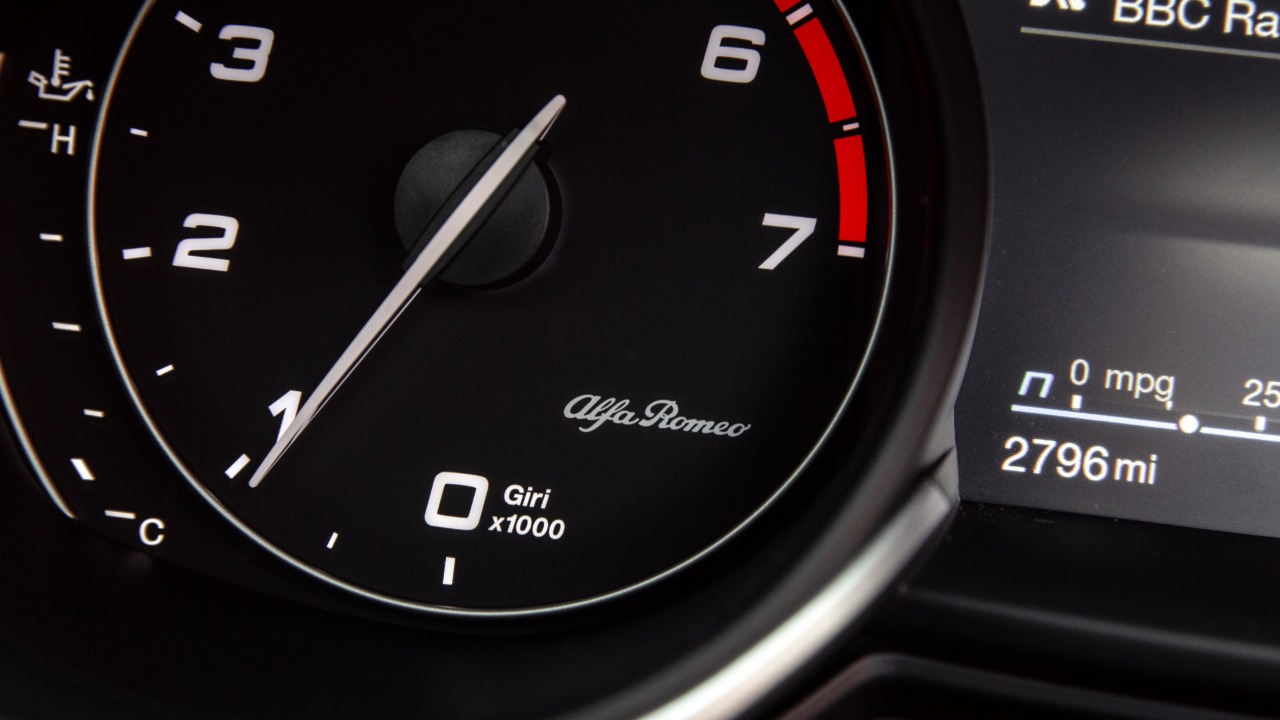
Many drivers, particularly those used to driving cars from the ’70s and ’80s or earlier, believe that putting a car into neutral while going downhill or approaching a stop will reduce fuel consumption because the engine is running at lower revs.
This is not true for modern vehicles. In fact, leaving the car in gear while decelerating or coming to a stop, without labouring the engine, typically uses no fuel at all. This is because, in modern engines, the wheels keep the engine turning, and the engine control unit cuts fuel injection during overrun conditions. This is known as the deceleration fuel cut-off.
Another important point is that it is generally safer to keep the car in gear, as it maintains better control of the vehicle.
Reduce drag from roof boxes and open windows
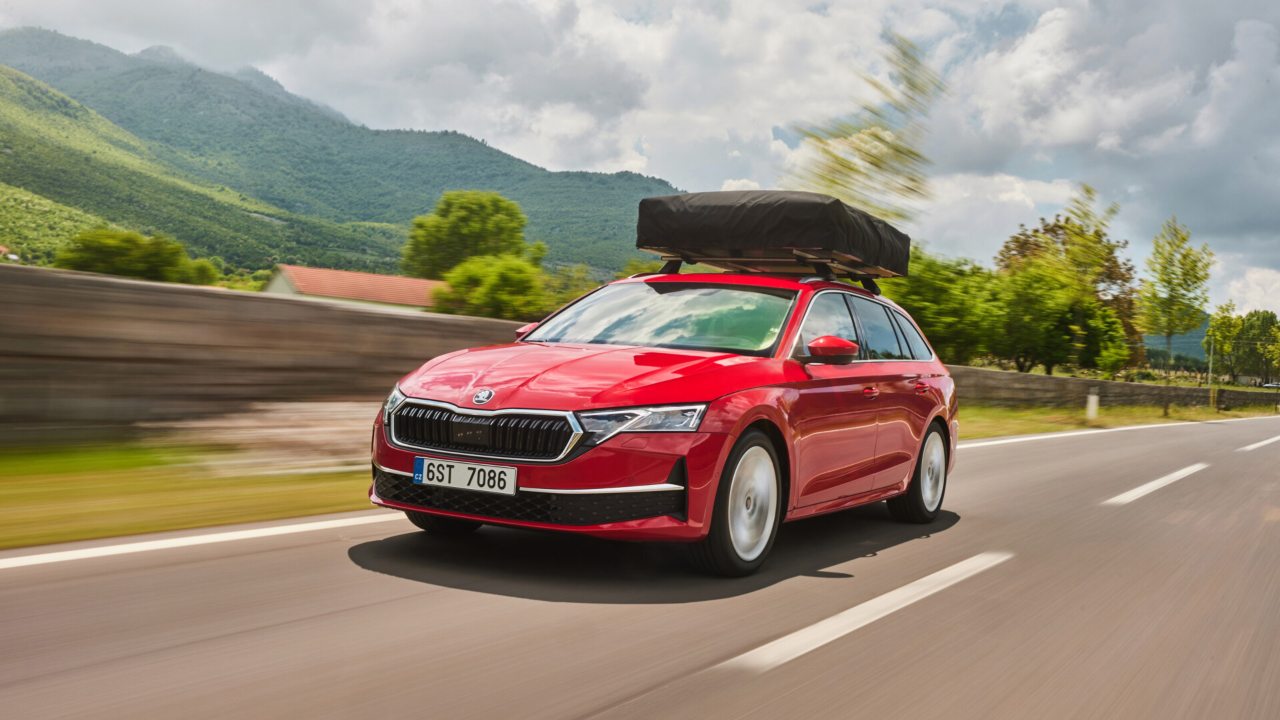
Car manufacturers go to extreme lengths to design vehicles that are aerodynamic, slipping through the air as efficiently as possible to improve both performance and fuel economy. In fact, many manufacturers now use drag coefficiency as a selling point to prove just how optimised their vehicles are.
Then we buy them, and 'ruin' all the manufacturer's hard work by installing bike racks, roof boxes, and by driving with the windows and sunroof open all the time, which increases fuel consumption, particularly at higher speeds.
While it's important to enjoy your car for what it offers, all of these things create extra drag, meaning the car's engine has to work harder to maintain its speed, increasing fuel consumption. When not in use, roof-mounted carriers should be removed, and for best fuel economy on the motorway, windows and sunroof should be kept closed.
Plan Efficient Routes
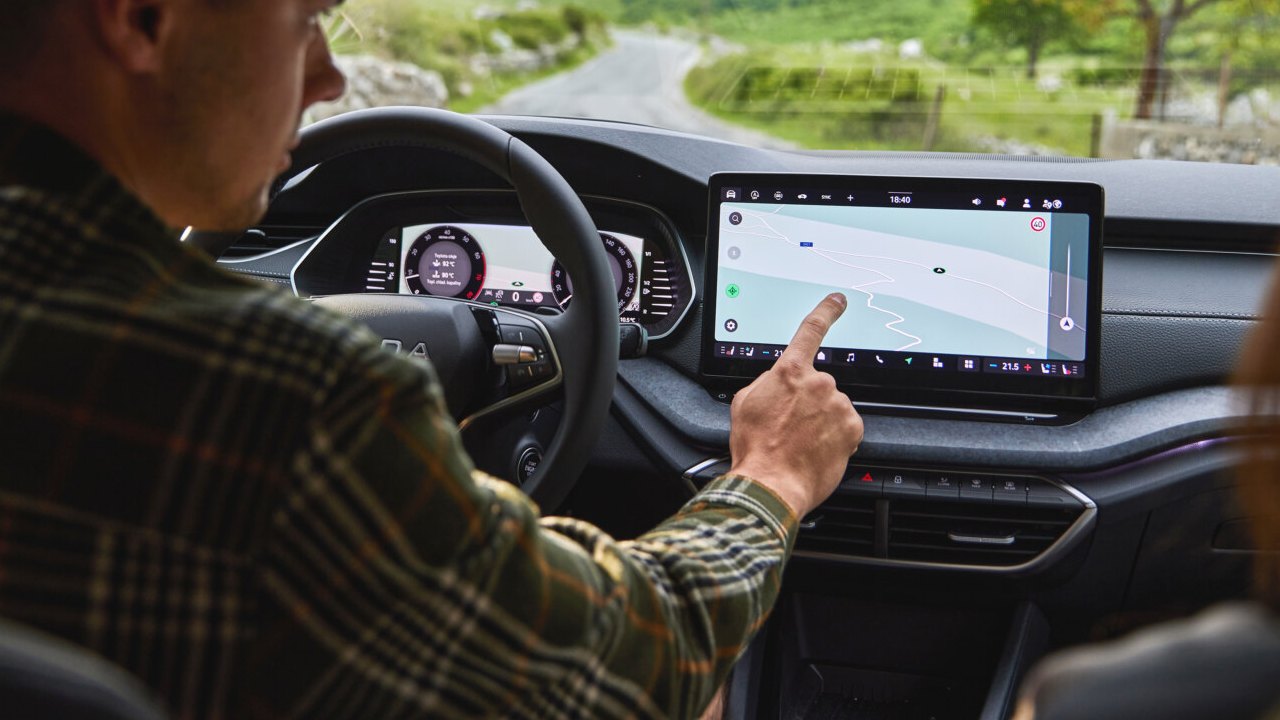
Planning your journey from the start means that you're not wasting time and money driving around in circles trying to find your destination. Intelligent planning helps to avoid traffic hotspots or roadworks too, which allows you to minimise stop-start driving, which in turn can improve fuel economy.
Modern sat nav systems will offer multiple route options after you've typed in a destination, such as the fastest or most fuel-efficient route. Choosing an eco-friendly option can help you reach the same destination in a similar amount of time while using less fuel.
Consider a hybrid or EV
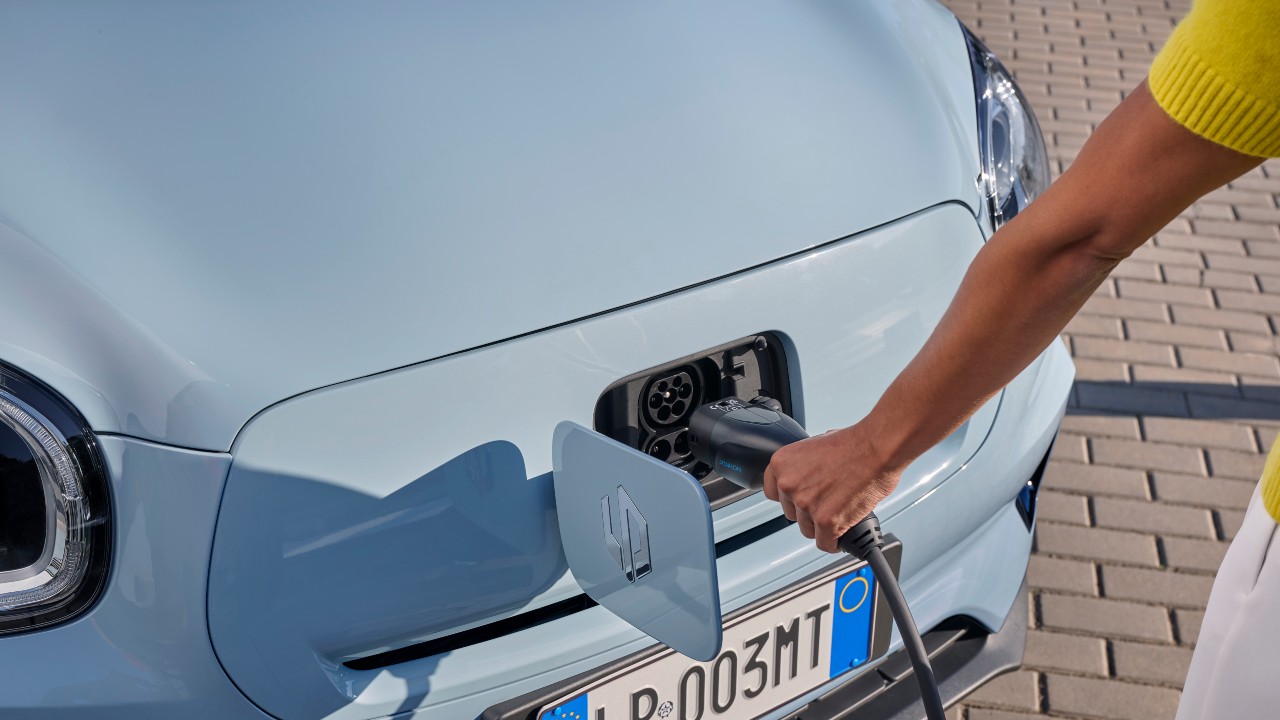
These days, many car manufacturers offer at least one hybrid powertrain option. Hybrid cars help you reduce your petrol or diesel costs by allowing you to complete part of your journey using electric power, or by using an electric motor to reduce the engine's workload.
There are three types of hybrid: mild (mHEV), full (HEV), and plug-in hybrid (PHEV). Each works differently, but their goal is the same: to maximise efficiency while still delivering a familiar driving experience. HEVs and PHEVs combine an engine and a motor for power, while the mHEV uses a motor to take strain off the engine, making it more efficient.
If you’ve got the right setup at home, you could go one step further and consider a fully electric vehicle. With more models entering the market every month and battery range continuing to improve, electric driving can significantly reduce fuel consumption to zero during journeys, with running costs limited to electricity for charging.
Small changes can equal a big reduction in fuel consumption
If you consider all these recommendations, they could positively impact your fuel consumption and, more importantly, your fuel bills. Even making a few changes to your driving style and maintaining your car to keep it in tip-top condition can make all the difference.
If your car is using too much fuel and you're unsure what to do, contact your local Evans Halshaw retailer for a vehicle health check and service. Our expert technicians can diagnose any issues and help get your car back working at its best, improving efficiency, performance, and reliability.