Is it a car? Is it a van? Well, it's kind of both. Car-derived vans, or CDVs, are vans adapted from everyday passenger cars that use their frames with minimal modifications.
It allows businesses to have a small van in the fleet which can feel more comfortable and familiar, whilst still maintaining the practicality and usability of a van. All this whilst fitting right in with city traffic, motorway driving, or residential areas.
There are many different types of vans available, and the CDV is a popular choice for small businesses that need a small delivery vehicle or for tradespeople who require a cheaper runaround. CDVs offer benefits over larger panel vans and other traditional-style vans, including reduced running costs and easier parking.
Not everyone who has a small business wants or needs the size of a larger van, and the CDV fits the bill while still offering space to store products, tools, or other equipment in the back.
Explore what a car derived van is and why it may be suitable for your business, lets explore that in more detail.
- What is a car-derived van?
- Who are car-derived vans suitable for?
- How can I tell if a van is car-derived?
- The best car-derived vans
- Pros and Cons of Car-Derived Vans
- Frequently Asked Questions
What is a car-derived van?
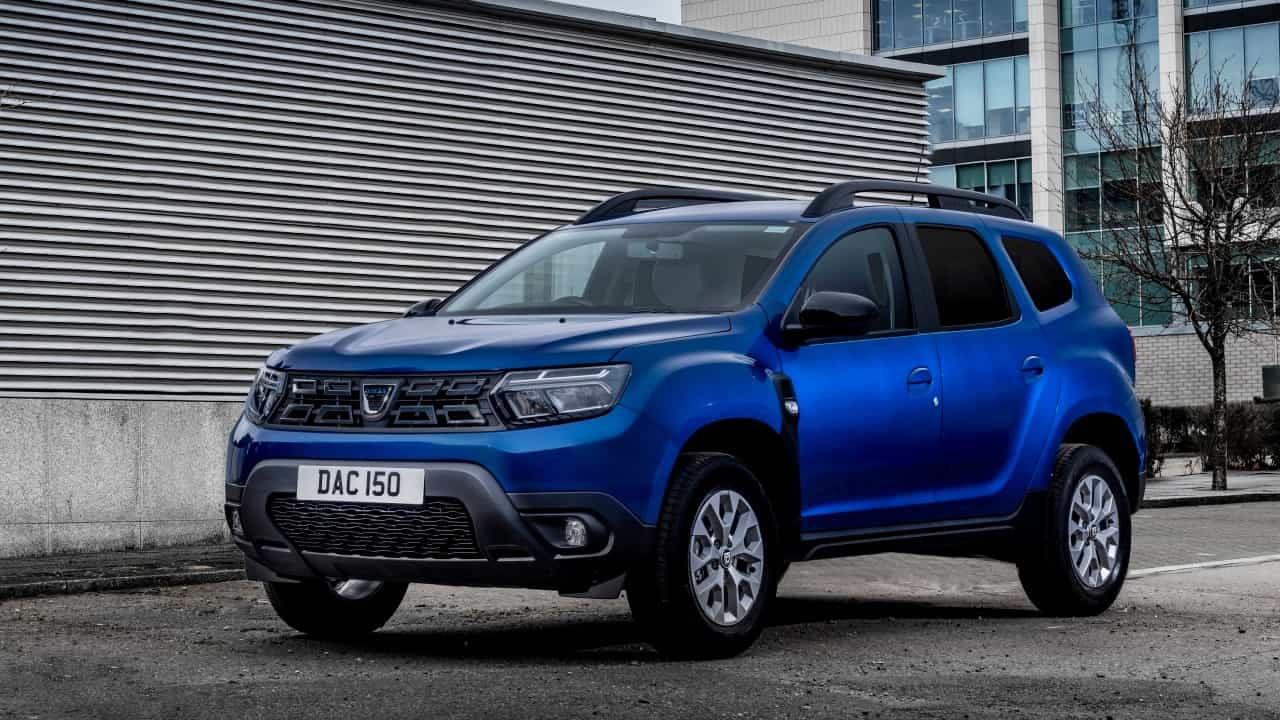
The official and legal definition of a CDV from the Department of Transport is: ‘ A ‘car-derived van’ means a goods vehicle which is constructed or adapted as a derivative of a passenger vehicle and which has a maximum laden weight not exceeding 2 tonnes.’
Typically, car-derived vans are based on a current car model and share the same platform. They tend to be more compact and are engineered to weigh no more than 2 tonnes when fully loaded with tools, goods, or other equipment.
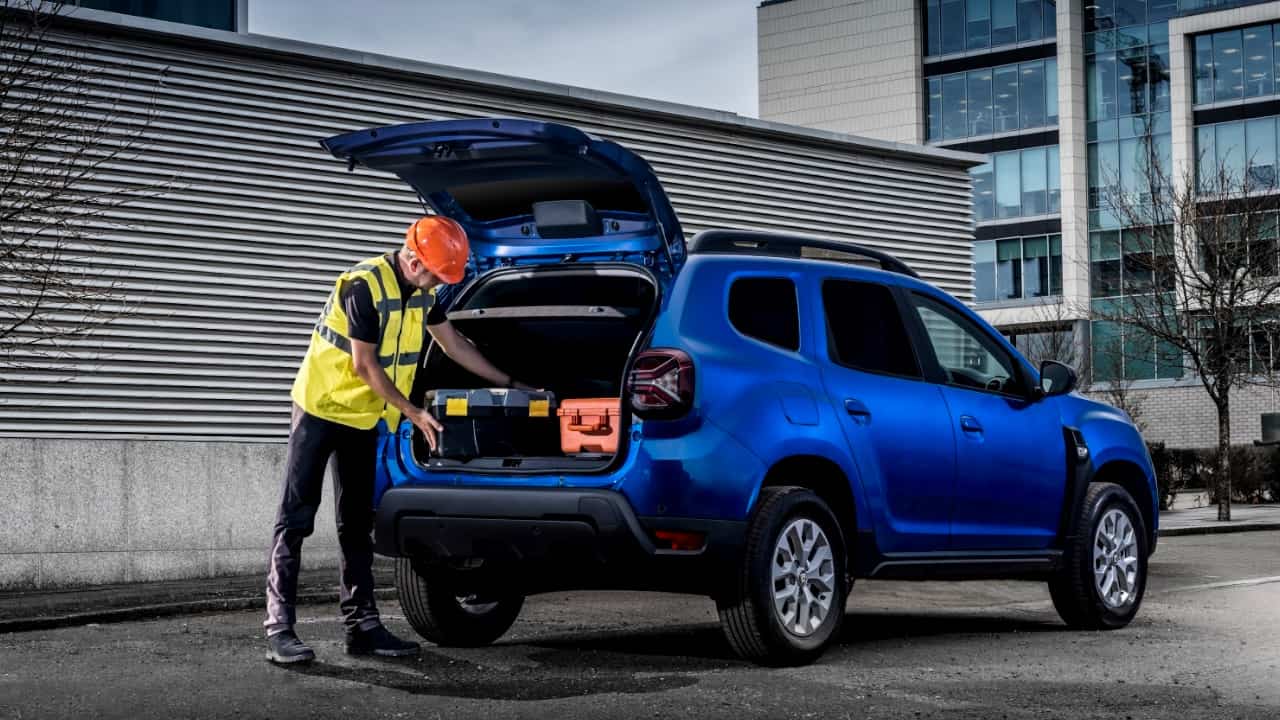
To create a usable load space, the rear seats, seat belts, and fixings have been removed, while the payload area features a flat floor panel at the rear of the vehicle. This flat cargo space provides a stable base for goods and other equipment. The rear side windows are blanked out and fixed so they won't open, sometimes matching the van's colour, giving it a distinctive, more van-like appearance.
They're also the only light commercial (goods) vehicles subject to the same speed limits as regular cars and will be recorded as a CDV under ‘body type’ on the vehicle’s registration document (V5C).
Who are car-derived vans suitable for?
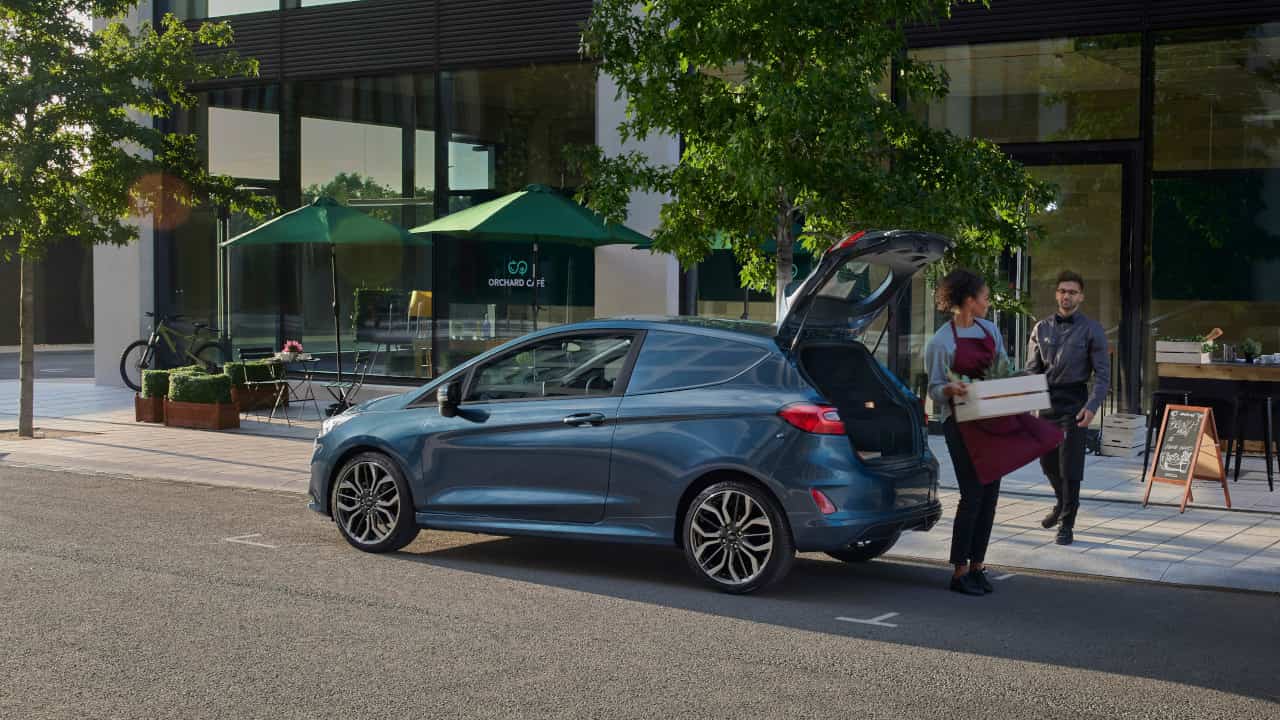
Picture this: You've started a new florist business, and you need a small, everyday delivery vehicle that doesn't require much space for flower deliveries, so that any employees in the business can jump in and easily drive without feeling overwhelmed driving a larger panel van. Designed for shorter trips and deliveries, it's an ideal, low-cost addition for any business.
This profile is exactly the type of customer that the CDV is designed for. Compact, handles like a car, and can easily park in a regular parking spot or a tighter space. It has enough space in the back for light goods, such as flowers, and the security of blanked-out windows. Plus, with the windows blanked out to match the van's overall colour, a business logo can be printed here.
CDVs come with front seats only, so a limited number of your team can travel. However, certain tradespeople who work on their own or in pairs and carry smaller pieces of equipment will find a car-derived van appealing, as it allows them to get around swiftly with no issues or worries.
How can I tell if a van is car-derived?
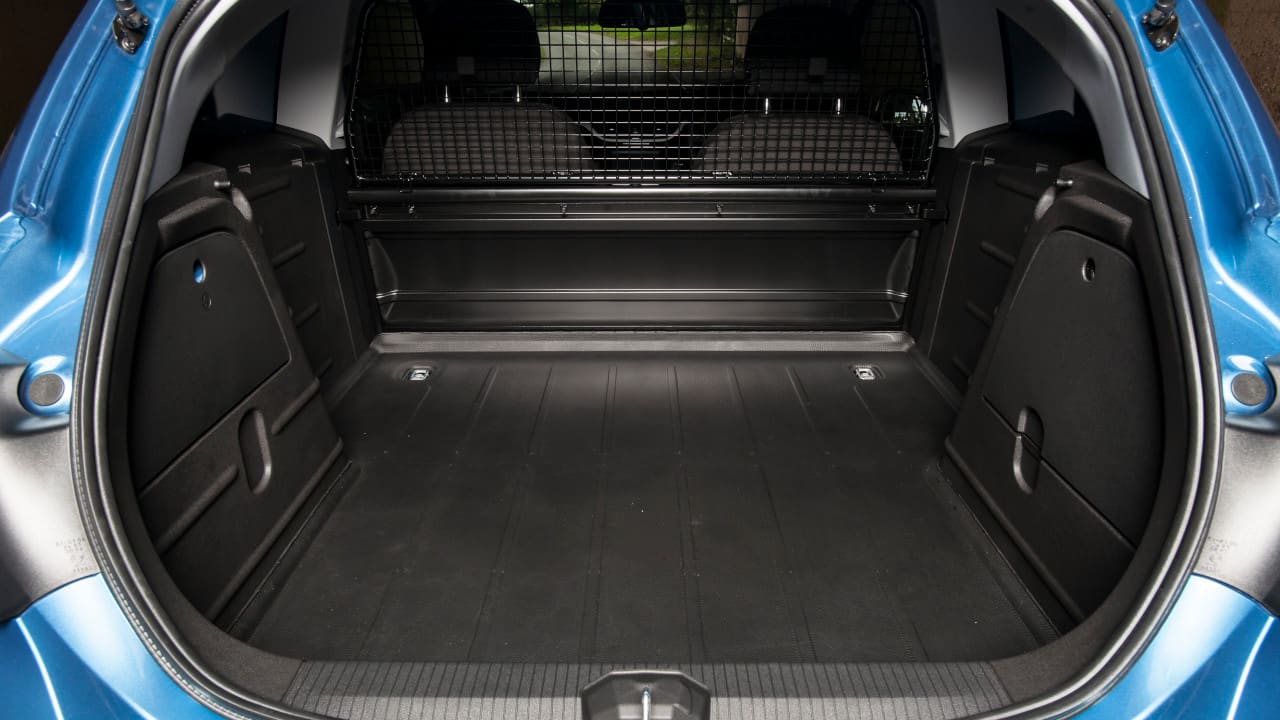
There are several features and design characteristics of car-derived vans, some easily spottable and others less so.
- Car-based design: Built on a passenger-car platform, they usually resemble the car they're based on, with the same silhouette, dimensions, and front-end design as the car version.
- Interior layout: Normal two front seats, with the rear seats, seat belts and seat mountings removed. The rear section is replaced with a flat loading area for carrying tradespeople's tools or small-business goods, such as flowers or bakery items. Sometimes a cage-style barrier separates the front from the rear cargo area.
- External appearance: The rear side windows are panelled over or blanked out, and in some cases, so is the rear window. The side windows are fixed and don't open.
- Payload and weight: Due to their size, CDVs have lower payload restrictions of 2 metric tonnes, including the vehicle's weight. This restriction is due to the suspension and chassis remaining the same as the car version.
- Manufacturer classification: Check the vehicle’s registration document (V5C) as the ‘body type’ is recorded as a car-derived van.
The best car-derived vans
The key points that make car-derived vans ideal for commercial use are their ease of handling, no special licence requirement, and practical cargo space. There are a few common best car-derived vans available from several manufacturers as part of their commercial fleet. This includes:
-
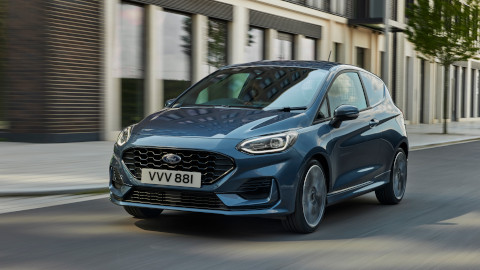
Ford Fiesta Van
The UK's supermini has proven popular in van form, too.
-
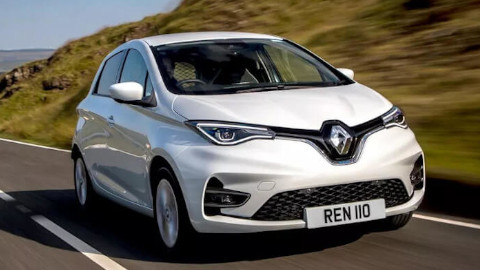
Renault Zoe Van
CDV electrified, the ZOE offers the most efficient means of getting around.
-
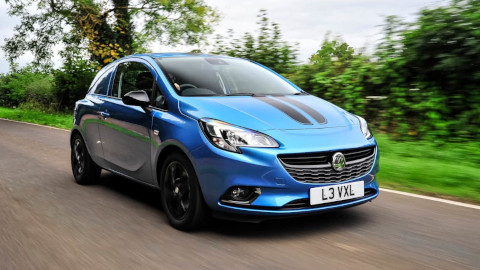
Vauxhall Corsavan
Another proven formula, the Corsavan does everything asked of it.
-
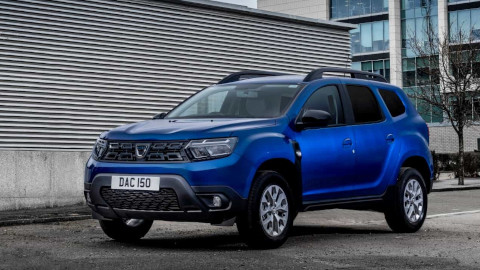
Dacia Duster Commercial
Dacia value takes an applauded step into the commercial world.
-

Toyota Corolla Commercial
The reliable Toyota Corolla is now available in van form, with a hybrid powertrain.
How are car-derived vans taxed?
Car-derived vans are not treated as cars, and are classified as light commercial vehicles for tax purposes. Car-derived vans (CDVs) are generally taxed at a flat rate rather than a calculated BIK (Benefit-in-Kind) rate, as company cars are. This means they pay a fixed rate of road tax for the year, the same as vans, and they do not use the CO₂-based band system used for cars.
CDVs must be used for business purposes only to be exempt from BIK (Benefit-in-Kind) tax, although private 'insignificant' uses are allowed. Insignificant use could be occasional dropping off a child at school on the way to work, or popping to the tip once or twice a year. VAT can also be claimed in certain scenarios if a VAT-registered business uses the car-derived van solely for commercial purposes.
This is a guide only, and we encourage anyone considering buying a CDV for business purposes to seek legal advice.
Pros and Cons of Car-Derived Vans
Pros of a Car-Derived Van
- Better equipped: Usually based on passenger cars, car-derived vans boast sleek looks and up-to-date technology.
- No speed restrictions: CDVs can travel at the same speed limit as normal passenger vehicles, whereas other types of vans are subject to different speed limits dependent upon weight.
- Easier to drive: There will be a shorter learning curve for driving a CDV, as the driving experience is similar to that of an equivalent car. Plus, parking is much easier, so they're suited to town and city use.
- Discreet: CDVs blend into their surroundings and may not be instantly identifiable as vans, making them less of a target for potential thieves.
- Better fuel economy: As they're lighter, car-derived vans often offer better fuel economy than larger vans.
Cons of a Car-Derived Van
- Limited size: CDVs are less practical than larger vans and have a weight limit of 2 tonnes, so you won't be able to transport extremely heavy loads.
- Limited seating capacity: With only the front seats, CDVs won't be able to accommodate a large workforce to and from jobs.
- Less customisable: While some CDVs can be modified, there will be less space for mobile workbenches and other handy bits of equipment.
Frequently asked questions
Brands such as Toyota, Renault, Dacia, and Land Rover offer car-derived vans in their current line-up, while Ford and Vauxhall have discontinued their Ford Fiesta and Vauxhall Corsa CDV models we still have a range of used models available.
At a glance, car-derived vans look like their car counterparts, but have fixed, opaque rear windows, making them easily recognisable as CDVs. Up close and inside, they have only two seats up front, with the rear seats, seat belts, and mounts for both removed and replaced with a flat floor for easy carrying of goods.
CDV speed limits are the same as those for cars, with no restrictions that apply to some commercial vehicles.
No, the Ford Courier is not a car-derived van, as it is designed and engineered as a commercial vehicle. Although there are passenger versions of the Courier, the van versions are not technically car-derived. Check the 'body type' section of the V5C registration document to be sure.
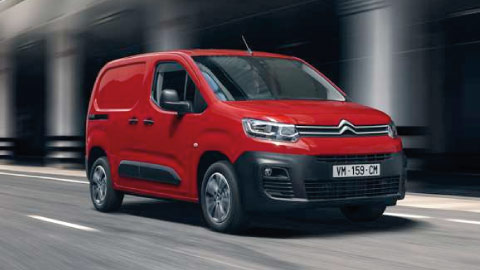
The Citroën Berlingo is not a car-derived van. It's built as a dedicated commercial vehicle, which is not based on an existing car.
Get your business moving with Evans Halshaw
Car-derived vans have proven a hit in the UK, offering a less intimidating experience than a full-sized van and more than capable of taking on a variety of business challenges.
Whilst they're not quite as practical as their larger counterparts, car-derived vans are more stylish and easier to drive, making them a solid choice within the commercial world.
Upgrade your business with your first car-derived van. Contact your nearest Evans Halshaw van retailer today and see what CDV new or used options are available.