Even the most careful of drivers may get caught speeding by a permanent speed camera or strategically-positioned mobile one. Whether you've been snapped at 5mph over the 30mph limit in a built-up area or you've been generous with the accelerator pedal on the motorway, it’s surprisingly easy to get caught out. However, it's important to understand the implications and consequences of speeding in the UK as it is one of the largest contributing factors to accidents and deaths on the road.
These days, a speeding fine isn’t just a slap on the wrist for the average UK driver. Speeding is dangerous to you and other road users, and the fine is a reminder to practice safer driving as well as a financial thorn that can really sting your wallet and driving freedom. The minimum penalty for speeding is £100, but it can have a knock-on effect on insurance premiums, new drivers, and even employment.
Year on year, there is a slight increase in penalty points issued, with middle-aged drivers receiving the most points from local authorities and older drivers receiving the least. Whatever your age, to help you steer clear of fines and keep your licence clean, this article explains what you need to know about speeding fines and the penalties, including how they are calculated, enforced, and how to avoid them.
- How do speeding fines work?
- How can I get caught speeding?
- How long does it take for a speeding ticket to arrive?
- What’s the punishment for speeding?
- Can I appeal a speeding ticket?
- How to pay a speeding ticket
- Frequently asked questions
How do speeding fines work?
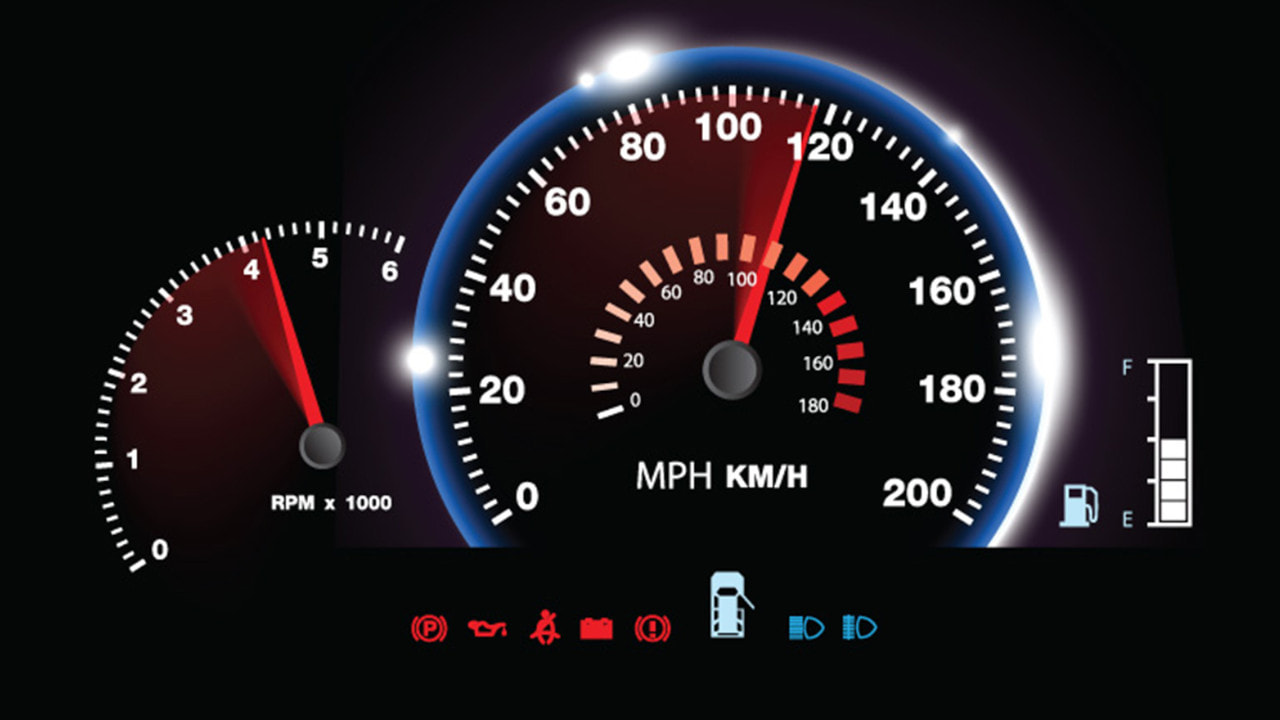
When you exceed the speed limit, you're breaking the law, as well as putting pedestrians and other drivers at risk. Because of this, speed limits in the UK are strictly enforced by both police patrols and roadside speed cameras.
When caught speeding, whether by a Police Officer or a fixed or mobile camera, you'll be issued a Section 172 notice and a Notice of Intended Prosecution (NIP). If you ignore these, you'll be summoned to court. When you've returned the Section 172, informing the police who was driving, you will be issued a Fixed Penalty Notice (FPN) or worse, a letter instructing you to attend court.
With an FPN, you can choose to pay the fine and plead guilty or take the matter to court by not pleading guilty. Depending on the speeding offence, you may be offered an alternative option to attend a speeding awareness course.
Different types of speeding offences
There are three bands of speeding fines: A, B, and C. Each one is more severe than the last.
- Band A: This band is a minor speeding offence, where you might have been caught by a speed camera or stopped by the police after driving a few miles per hour over the speed limit. For minor infringements, you may receive a warning, but most guilty parties will receive a Fixed Penalty Notice (FPN) with a £100 fine and three points on your licence. You might be offered a speed awareness course as an alternative to points and a fine; however, you can typically attend only one speeding awareness course every three years.
- Band B: This is a serious speeding offence in which the speed limit has been exceeded significantly. Here you may face a minimum fine of £100 plus three or six penalty points on your licence. You may also end up in court depending on where you were caught speeding, such as outside a school or in a built-up area.
- Band C: Band C is where the most serious speeding offences lie. This is where you've exceeded the speed limit by a considerable amount and may be given 6 penalty points or even a driving ban. You'll also be fined 125 to 175 percent of your weekly income. Plus, if your speeding is severe, you may be charged with dangerous driving, which can result in a custodial sentence.
Can you legally exceed the speed limit by 10 percent?
Firstly, never speed at all or treat the unofficial 10 percent buffer as a rule of thumb. The law states that you're liable for a speeding fine even if you're doing 31mph in a 30mph zone or 51 mph in a 50mph zone.
Guidance from the National Police Chiefs’ Council (NPCC) does recommend giving drivers '10 percent plus 2' leeway. This discretionary advice is to aid Police Officers when pulling over drivers for speeding in certain circumstances.
A discretionary approach may be implemented when a driver travels at 72mph while overtaking slower moving traffic on the motorway. In this scenario, if they were to be stopped, a Police Officer may just issue a verbal warning, but they will consider other factors such as the flow of traffic and the risk of the manoeuvre overall. Remember this is advisory, and not the law.
Speed cameras don’t negotiate; they're manually set to trigger at a specific speed. It's unconfirmed that they are set 10 percent above the speed limit, and it's certainly not worth finding out. Police Officers use mobile speed cameras, still at the Officer's discretion, with the same NPCC guidance being used to determine whether a party should be charged for a speeding offence.
How can I get caught speeding?

There are several ways to get caught speeding, which include:
- Fixed roadside cameras: These cameras measure a vehicle's speed and will take a photograph of the vehicle if it exceeds the speed limit. You'll notice more at night if you've been caught, because the camera flashes twice.
- Mobile cameras or police vans: In some counties, they use mobile speed cameras, which, like fixed cameras, measure a vehicle's speed and photograph the vehicle if it's over the speed limit. Because they are mobile, they can visit different locations and speed hotspots.
- Average speed checks: Usually seen during extensive road upgrades or repairs, these cameras measure how long it takes a vehicle to travel between them and calculate the average speed over that distance.
- Smart motorway enforcement: Similar to fixed cameras, smart motorway cameras are set to the national speed limit, but will change to match the variable speed limit. For example, the smart motorway might reduce speed from 70mph to 50mph for safety during roadworks, breakdowns, or incidents. Ensure you're paying attention to the overhead displays - if you're unsure, the flow of traffic is generally a good indicator as to whether a variable speed limit is in-place, but that will not be a valid excuse if you're caught speeding.
- Police stops: You may be pulled over by an actual Police Officer, who will ask you to pull over and issue a fine. The severity of the penalty will depend on the Officer’s judgement using the NPCC guidelines. You may be let off with a warning if it was a minor speeding offence, with most severe cases resulting in a vehicle seizure and potential arrest.
How long does it take for a speeding ticket to arrive?

If you're caught, or think you've been caught, by a speed camera, it'll take up to 14 days for your Notice of Intended Prosecution (NIP) and Section 172 notice to arrive. This will be sent to the registered keeper of the vehicle, which could be someone else if you drive a company vehicle or a hire car. You have 28 days to return the Section 172. If you ignore the notice, you will have to go to court, and the penalties are often more severe.
Once you've returned the Section 172 notice, you'll be issued a Fixed Penalty Notice (FPN) plus points on your licence or a letter telling you to go to court, depending on the severity of the speeding offence.
What’s the punishment for speeding?
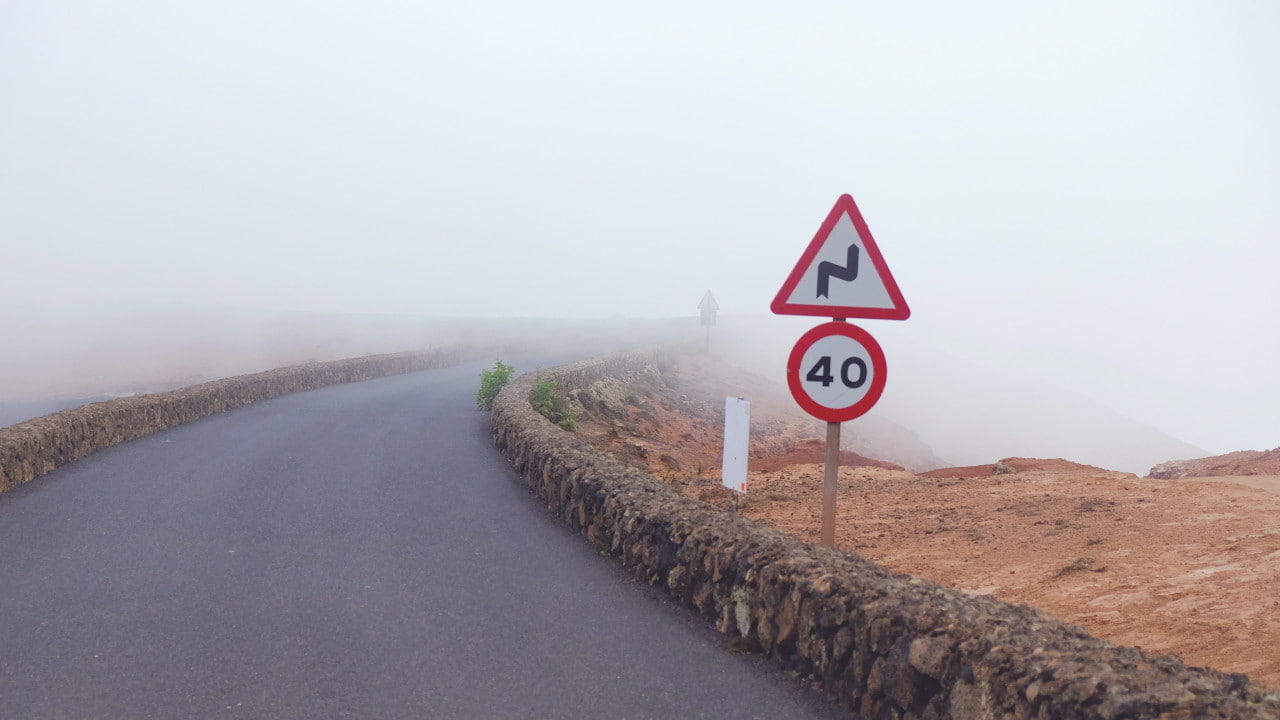
Most people who plead guilty to speeding will be in the Band A section and receive a £100 fine and 3 points on their licence (assuming they plead guilty). Below is a table as a guide to speeding and which band each offence typically falls into.
|
Road speed limit (mph) |
Speed detected (mph) |
Speed detected (mph) |
Speed detected (mph) |
|
|
Band A |
Band B |
Band C |
|
10 |
11 to 20 |
21 to 30 |
31+ |
|
20 |
21 to 30 |
31 to 40 |
41+ |
|
30 |
31 to 40 |
41 to 50 |
51+ |
|
40 |
41 to 55 |
56 to 65 |
66+ |
|
50 |
51 to 65 |
66 to 75 |
76+ |
|
60 |
61 to 80 |
81 to 90 |
91+ |
|
70 |
71 to 90 |
91 to 100 |
101+ |
|
Points issued/banned term |
3 points |
4 to 6 points/banned 7-28 days |
6 points/banned 7-56 days |
|
Fine amount (if pleading not guilty) |
25 to 75 percent of weekly income* |
75 to 125 percent of weekly income* |
125 to 175 percent of weekly income* |
*This is a rough guide; the magistrate can fine you anywhere within this range up to £1,000, and £2,500 on motorways, depending on your exact circumstances.
Common Examples
- Speeding in a 30mph zone: Over 30mph and under 40mph often results in a Band A fine of £100 and 3 penalty points. Exceeding 40mph in a 30mph zone is Band B and Band C, with severe fines and penalties, including being summoned to court.
- Speeding on a motorway: A common speeding infringement occurs for those travelling between 71 and 90mph on a motorway. This would result in a Band A fine of £100 and three licence points (or a speed awareness course, if eligible).
- 100mph+ speeding: If you're caught speeding 100mph+, you're likely to be sent to court and face a driving ban of up to 56 days. In some cases, and depending on the severity of the driving, you could be sent to prison if you are deemed to have been driving in a dangerous manner.
Can I appeal a speeding ticket?
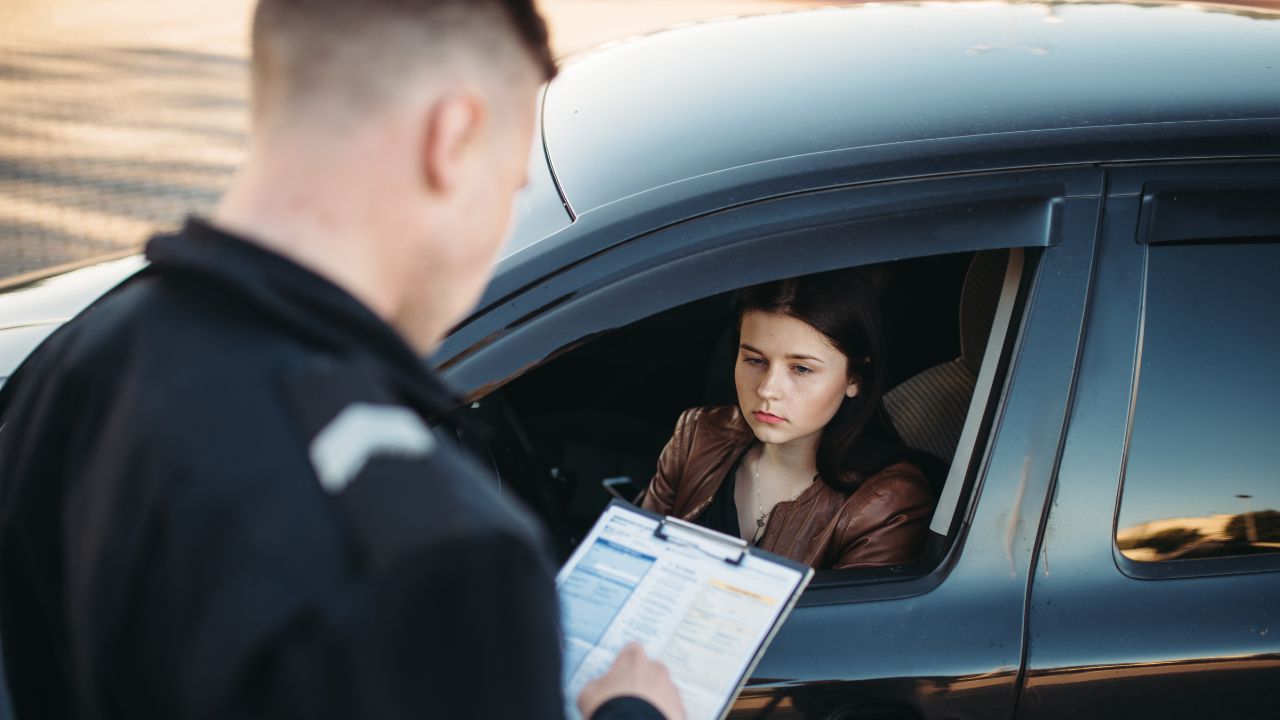
You should always obey the traffic laws and never exceed the speed limit. Speed limits are designed to keep all road users, including you, safe. Disputing a ticket is possible if you believe it was incorrectly issued.
If you think you've been issued a speeding ticket incorrectly, fill in the relevant section on the Notice of Intended Prosecution within 28 days. If the police do not accept your appeal, you will be summoned to court to contest the conviction, usually at a Magistrates’ Court.
If you have to go to court, it's best to seek professional legal advice. Also, if the verdict doesn't go your way, you could end up with a larger fine than the original one.
Acceptable grounds for dispute
There are certain scenarios where appeals can be accepted, but evidence must be provided. These include:
- Faulty equipment: The fixed camera, or equipment a mobile unit or Police Officer was using, were faulty and therefore not registering speeds accurately.
- Misidentification: Where you're not the driver of the vehicle, but have been charged for speeding. If somebody else was driving your vehicle at the time of the incident, then it's important you provide the correct details for the guilty party, even if it is a friend or family member. Stolen vehicles, or those with cloned details, are also eligible for appeal, but this must be proved.
- NIP served late: If your Notice of Intended Prosecution doesn't reach you within the 14-day window, then you may be eligible to submit an appeal.
- Incorrect Signage: Signage that is hidden, damaged, missing, or just straight up incorrect. Ensure you get photographic evidence in these scenarios.
- Necessity: In extremely rare scenarios, you may be able to claim that your speeding infringement was a necessity due to factors such as danger to life. This includes a medical emergency, or a fear for life. Appeals made under this category aren't often accepted, though.
As always, it's important you seek legal advice from a qualified professional, as they'll be able to effectively inform you on suitable procedures and required evidence before you submit an appeal. If your appeal is rejected, you may face harsher penalties.
How to pay a speeding ticket

Once you've accepted that you were speeding, you will be sent a fixed penalty notice (FPN), with the minimum penalty being £100 and 3 penalty points added to your licence. How to pay a speeding fine depends on where you were caught speeding.
- England and Wales: You can pay the fine online here, which is the quickest, or by telephone or post.
- Scotland: You can pay the fine online here in Scotland, by post, in court, or by telephone.
- Northern Ireland: You need to contact the Laganside Courts Complex by post, telephone, or email.
Frequently asked questions
Not entirely, but it isn't as clear as what many claim. Guidance from the National Police Chiefs’ Council (NPCC) suggests allowing drivers a tolerance of ‘10 percent plus 2mph’ over the speed limit to account for elements such as road conditions, speedometer inaccuracies and general tolerance levels. However, a speed limit is exactly that; a limit. If an Officer decides your speed is not suitable, you can be charged, even if it is within the 10 percent plus 2 leeway.
Penalty points remain on your driving licence for four years. This starts from the date you're convicted or the date of your offence.
The income from speeding fines goes into the Treasury's consolidated fund. It does not go directly to police forces or local authorities. The money supports general expenditure on public services, such as policing, transport, healthcare, and local government grants.
The legal answer is zero. It’s illegal to exceed the posted speed limit on any road. However, enforcement guidance from the National Police Chiefs’ Council (NPCC) suggests police officers may allow a tolerance of '10 percent plus 2 mph'. This is not a rule or entitlement, and drivers can still be prosecuted for exceeding the limit by any amount.
If you're genuinely speeding, there's no way to avoid it and the likelihood is you'll eventually get caught. However, what you can avoid is speeding altogether - reviewing the Highway Code to ensure you're up to date with all road signs and national speed limits, setting up alerts on your vehicle's systems to notify you when you go above the speed limit, and using your vehicle's speed limiter are all effective ways of ensuring you don't speed and will therefore avoid a speeding fine.
For each speeding fine, there is a minimum of £100 fine and three penalty points. If you get multiple speeding fines and your penalty points reach 12 points or more in three years, you may get disqualified from driving for up to six months.
If you’re a new driver and you're still within two years of passing your test, your driving licence will be revoked if you accumulate six or more penalty points. As you haven't long passed your test, the likelihood of being offered a speed awareness course is also lower, as that information would have been explained as part of your learning when learning how to drive.
The speed awareness courses are an effective way of refreshing your learning and understanding of speeding and its dangers, and it also means you may be spared the points and the fine. Most people opt to undertake the speed awareness course when offered the chance.
Speeding Fines in the UK: Know the Rules and Avoid Costly Penalties
Knowing how speeding fines work encourages drivers to stick to speed limits. Fines are designed as a deterrent and a punishment for breaking the law, not as a way to generate income for councils or the police. Staying within the limit and paying attention to road signs and variable speed limit notices will make you a better, more confident driver, helping you to increase the safety of both yours and other road user's journeys.
Explore Evans Halshaw’s extensive range of driving guides for expert advice and practical knowledge on every aspect of driving, from how to drive safely on motorways to understanding Give Way and Stop Signs in the UK, and take control of your driving today.